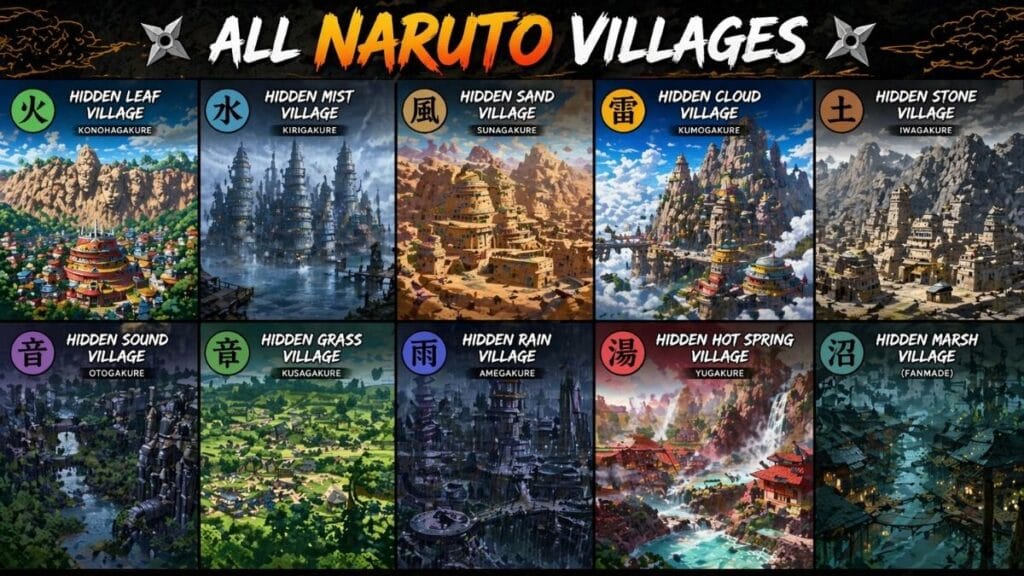
If you’ve watched Naruto, you know the world doesn’t revolve around one place. It sprawls. Every country has its own hidden village, its own political agenda, its own trauma — and most of them collide with each other at some point in the story.
Some villages shaped the entire course of shinobi history. Others got swept up in conflicts they didn’t start. A few barely survived. And some didn’t.
This is a complete breakdown of every notable village in Naruto — the five great powers, the secondary villages that matter to the plot, and the lesser-known ones from anime arcs and movies.
Part One
The 5 Great Villages
The big five. The villages that control the shinobi world’s balance of power, hold the tailed beasts, and go to war with each other every few decades.
Konohagakure
Hidden Leaf Village · Main Setting · Home of the Hokage
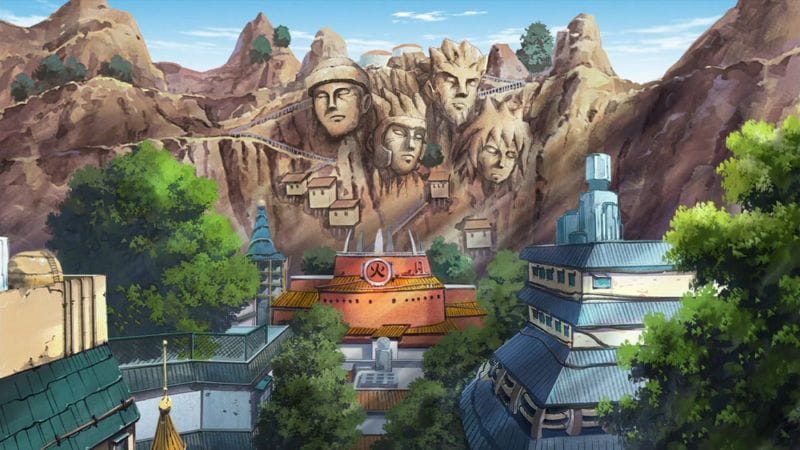
The Land of Fire. Home base. The village where the entire story starts and, honestly, never really leaves.
Konoha is where Naruto grows up, where the Uchiha lived before the massacre, where the Third Hokage died defending it from Orochimaru, where Pain levelled everything to rubble. It’s also where things get rebuilt — again and again. That cycle of destruction and recovery is basically Konoha’s identity.
What makes it stand out isn’t just that it’s the main setting. It’s that it produces an absurd number of S-rank shinobi. Minato, Itachi, Kakashi, Tsunade, Jiraiya — all Konoha. The Will of Fire philosophy running through the village creates ninja who fight for something beyond themselves, and that shows in every major arc.
The Hokage position itself tells the whole story: six different leaders, each one defined by a different era of conflict.
Sunagakure
Hidden Sand Village · Home of Gaara · Konoha’s Closest Ally
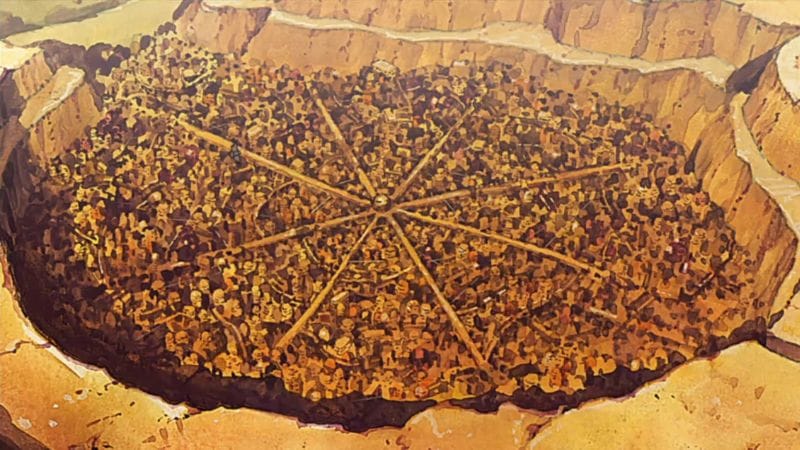
Suna’s reputation when the series starts is straightforward: a village desperate enough to ally with Orochimaru and attack Konoha. That’s how we first see it, and it’s not a good look.
But Gaara changes everything. The same kid who showed up at the Chunin Exams barely holding his sanity together becomes Kazekage — the youngest in Suna’s history — and transforms the village’s entire direction. Suna goes from a nation willing to stab its closest ally in the back to one of Konoha’s most reliable partners.
Located in the Land of Wind, Suna has always dealt with resource problems. Its daimyo kept cutting the village’s budget, which is part of why it agreed to Orochimaru’s plan in the first place. That political pressure is easy to miss, but it explains a lot about why Suna made the choices it did.
Kirigakure
Hidden Mist Village · The Bloody Mist · Obito’s Shadow
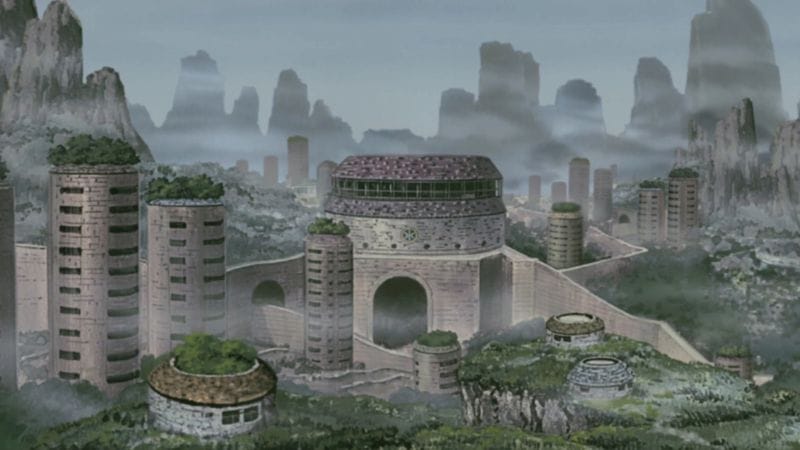
Few villages in the series have a past as dark as Kiri’s.
The “Bloody Mist” era wasn’t just a nickname — it was policy. Academy graduates were forced to kill each other in graduation exams. That brutality produced shinobi like Zabuza Momochi and the Seven Ninja Swordsmen, fighters built entirely around violence. It also produced Kisame Hoshigaki, who ended up in Akatsuki partly because of how twisted Kiri’s political structure had become.
What most fans don’t realize is that the Bloody Mist era wasn’t random. Obito Uchiha was manipulating the Fourth Mizukage behind the scenes, steering Kiri toward chaos deliberately. Once Mei Terumi took over as Fifth Mizukage, she started dismantling that whole system.
Kumogakure
Hidden Cloud Village · Military Powerhouse · Killer Bee’s Home
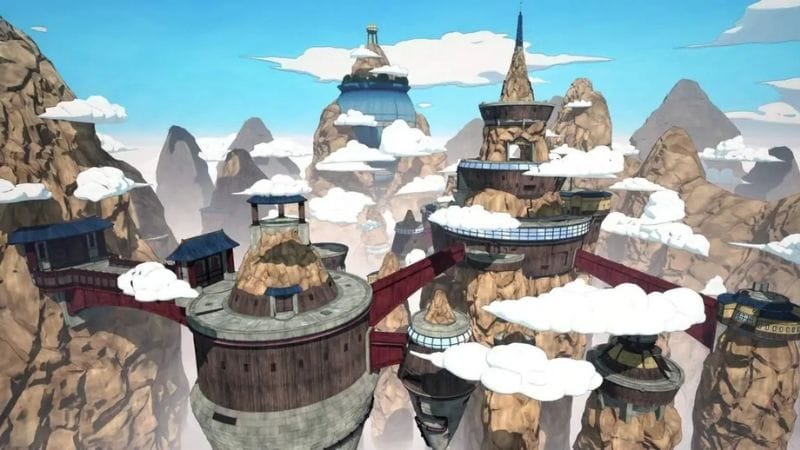
Kumo is aggressive, proud, and militarily powerful — and it doesn’t really apologize for any of that.
The Hyuga incident — where a Kumo ambassador tried to kidnap Hinata to steal the Byakugan — shows how far Kumo was willing to go for military advantage. That’s not a rogue agent; that was sanctioned. The Third Hokage had to let Hizashi Hyuga die to cover it up and prevent a war. That one event shapes the Hyuga family’s trauma for decades.
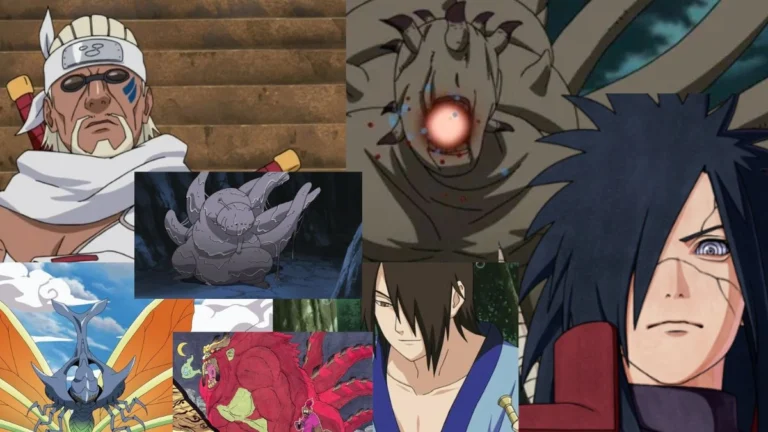
Killer Bee is the other side of Kumo — a jinchūriki who actually achieved full harmony with his tailed beast. Unlike most jinchūriki, Bee wasn’t weaponized. He was celebrated. That says something real about how Kumo handled its bijuu host compared to other villages.
Iwagakure
Hidden Stone Village · Minato’s Old Enemy · Deidara’s Origin
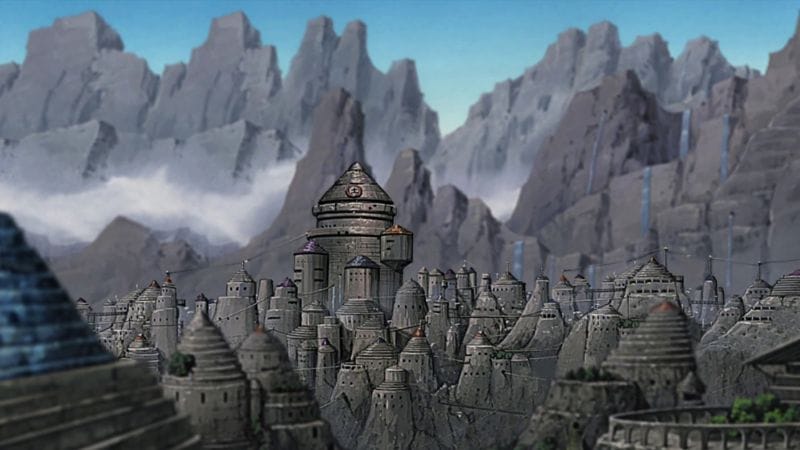
Iwa and Konoha have bad history, and the village has never fully let it go.
During the Third Great Ninja War, Minato Namikaze wiped out an entire Iwa battalion almost single-handedly. That event turned him into a legend and made Iwa deeply resentful of Konoha for a long time. Onoki, the Third Tsuchikage, carries that grudge personally — he was alive for it.
Deidara came from Iwa. Before he joined Akatsuki, he was already a missing-nin, but his explosive clay style was developed there. He hated Iwa enough to leave, but the village shaped him completely.
Part Two
Major Secondary Villages
Not part of the big five, but several of these villages drive the plot more than some great nations do.
Amegakure
Hidden Rain Village · Where Jiraiya Died · Pain’s Kingdom
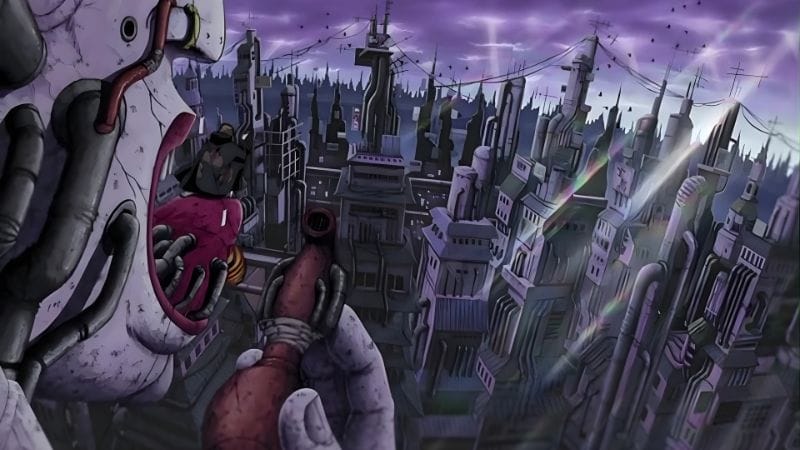
Ame is rain, always. The sky never clears, the streets are always wet, and the village exists in a permanent state of grey. That’s not an accident — it matches everything about what Amegakure represents in the story.
This is where Jiraiya’s story ends. He infiltrated Ame to find information on Pain, fought Nagato’s Six Paths alone, and died there. That sequence is one of the most affecting in the entire series — partly because Ame itself feels so hopeless. A village caught between larger nations for decades, used as a battlefield, never given peace.
Nagato and Konan took over from Hanzo and turned it into the Akatsuki’s base of operations. The irony is painful: three orphans of war grew up to rule the same village the war destroyed around them.
Otogakure
Hidden Sound Village · Not Really a Village · Orochimaru’s Lab
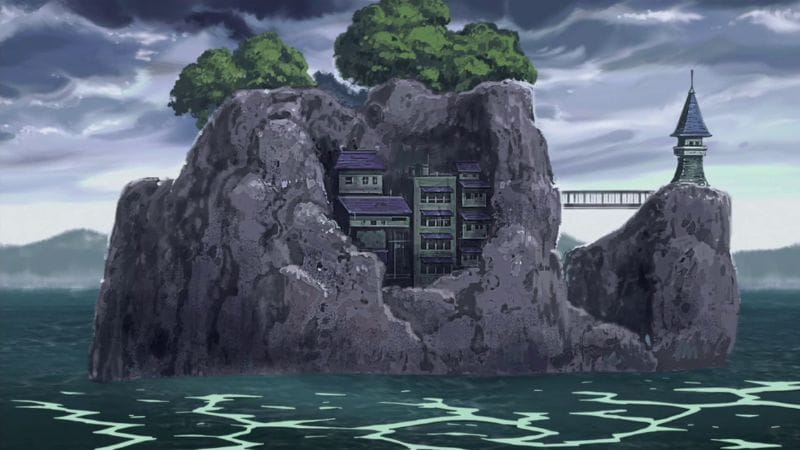
Calling Otogakure a “village” is generous. Orochimaru built it in the Land of Rice Fields as a recruitment center and a lab — it exists to serve him and nothing else.
There’s no community here, no civilian population, no history beyond what Orochimaru needed. The Sound Four weren’t ninja protecting a home — they were experiments loyal to a man who viewed people as test subjects. It matters during the Chunin Exams arc and the retrieval of Sasuke, then basically disappears once Orochimaru’s arc winds down.
Kusagakure
Hidden Grass Village · Small Nation · Orochimaru’s Disguise
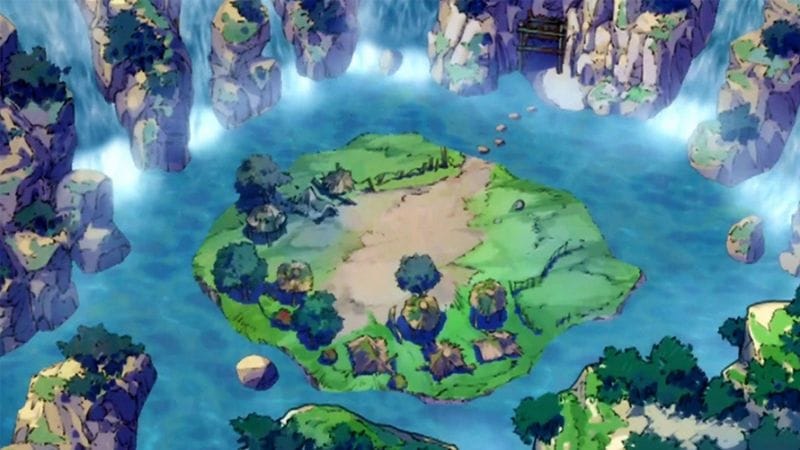
Kusagakure doesn’t get much spotlight, but its most important moment lands hard: Orochimaru disguised himself as a Grass ninja to infiltrate the Chunin Exams, which is how he got close enough to mark Sasuke with the Cursed Seal.
That one event — made possible because Kusa was small enough that nobody questioned the disguise — sets off a chain reaction that drives the rest of Part 1 and a large chunk of Shippuden. Kusa’s obscurity is exactly what Orochimaru needed.
Uzushiogakure
Hidden Whirlpool Village · Destroyed · Still Everywhere
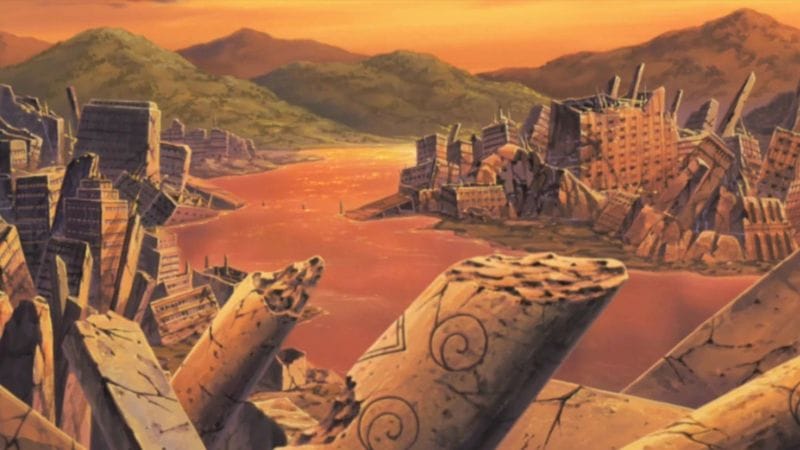
Uzushio is gone before the story begins — destroyed so thoroughly that most people in the Naruto world have forgotten it existed. But its fingerprints are everywhere.
The spiral symbol on every Konoha vest? That’s Uzushio’s crest, placed there as a tribute to an old alliance. Naruto’s surname, the sealing techniques used throughout the series, Kushina’s red hair and chakra chains — all of it traces back to a village that other nations burned to the ground because they were afraid of it.
The Uzumaki clan’s fuinjutsu was so advanced and so powerful that multiple countries agreed it needed to be eliminated. That’s the real legacy of Uzushiogakure: the world destroyed it because it was too dangerous to exist. And yet its knowledge survived, passed down through the last of the Uzumaki bloodline.
Takigakure
Hidden Waterfall Village · Guardian of the Hero Water
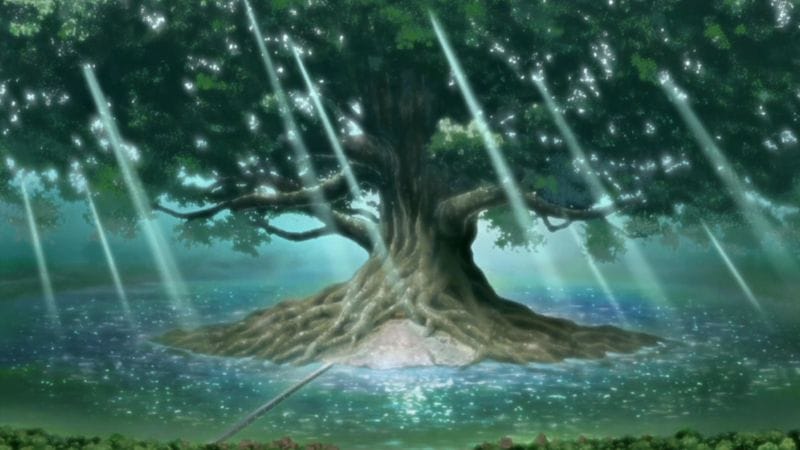
Taki is a small village protecting something extremely dangerous: the Hero Water, a substance that multiplies chakra output but shortens the user’s lifespan to do it.
The whole conflict centers on whether that power is worth protecting or worth using — a self-contained story with a question that runs through the entire series: what’s the cost of power, and who gets to decide?
Yugakure
Hidden Hot Water Village · Chose Peace · Produced the Most Violent Akatsuki Member
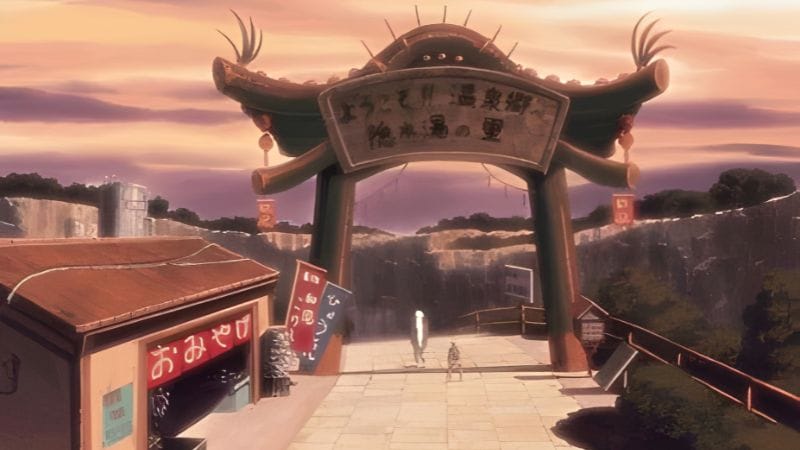
Yugakure made an unusual choice: it stepped back from the shinobi system entirely and became a peaceful tourist destination. Hot springs, quiet streets, no more war.
That context matters for Hidan. He’s the most violent member of Akatsuki — literally immortal, worships a death god, takes pleasure in killing. And he came from the most peaceful village in the series. That’s not a coincidence — that’s the series making a point about what happens when someone fundamentally rejects the world they were raised in.
Part Three
Other Notable Villages
Anime filler and movie-only locations — not part of the main manga, but worth knowing if you’ve watched the full series.
Hoshigakure
Hidden Star Village · The Meteorite Village · Power at a Price
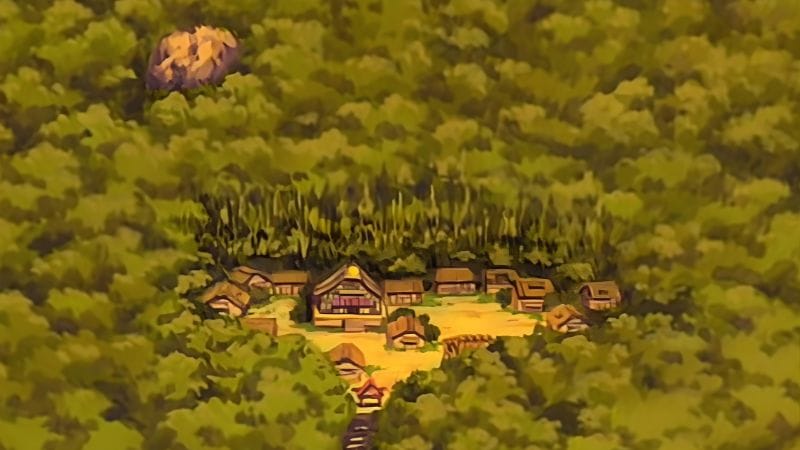
A meteorite crashed near this village and left behind a chakra-dense rock. Hoshigakure built its entire identity around training with it — the problem being that prolonged exposure slowly destroys the user’s body from the inside.
The filler arc is genuinely about whether a village has the right to sacrifice its own people for power. The meteorite is essentially the Hero Water problem scaled up to an entire community. Naruto’s response is very in-character — he sees what the villagers can’t.
Yukigakure
Hidden Snow Village · Chakra Armor · Land of Snow Film
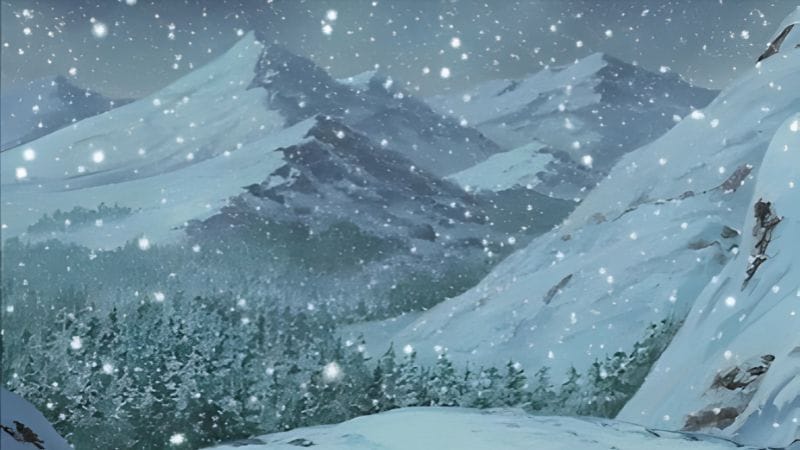
Appears in the first Naruto film. The village is defined by its chakra armor technology — suits that enhance physical ability and provide heavy defense, well beyond what standard shinobi gear offers.
The arc is more political drama than typical fight story. Dotō Kazahana overthrew his brother to seize the Land of Snow, and the movie follows the consequences. Not canon, but a solid watch as standalone Naruto content.
Tsuchigumo Village
Sitting on a Forbidden Technique · A Target Because of What It Holds
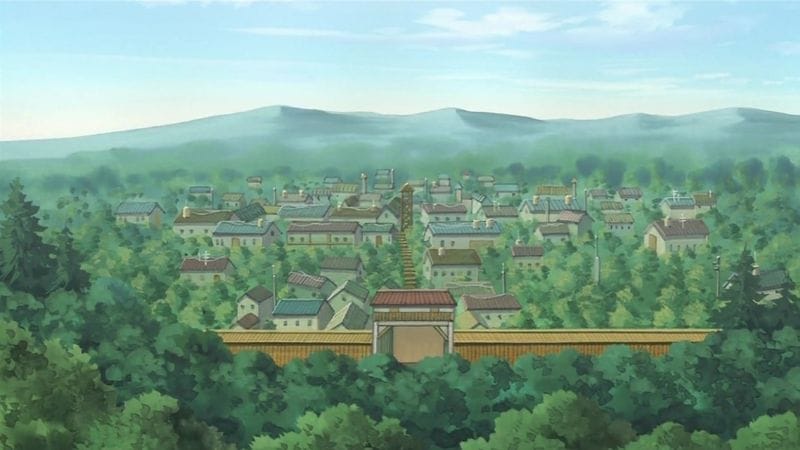
A small anime-only village sitting on top of a forbidden technique with the potential to level everything around it. The arc is essentially: everyone wants the technique, the village tries to protect it, things go wrong.
It fits a recurring theme in Naruto — small, powerless places getting targeted because of something they possess rather than anything they did. No broader connection to the main storyline, but the theme it carries is very much part of the series’ DNA.
Frequently asked questions


Join the Discussion
We want to hear from you. Share your perspective below, and please keep the conversation respectful.
Log in to join the discussion.
Log In