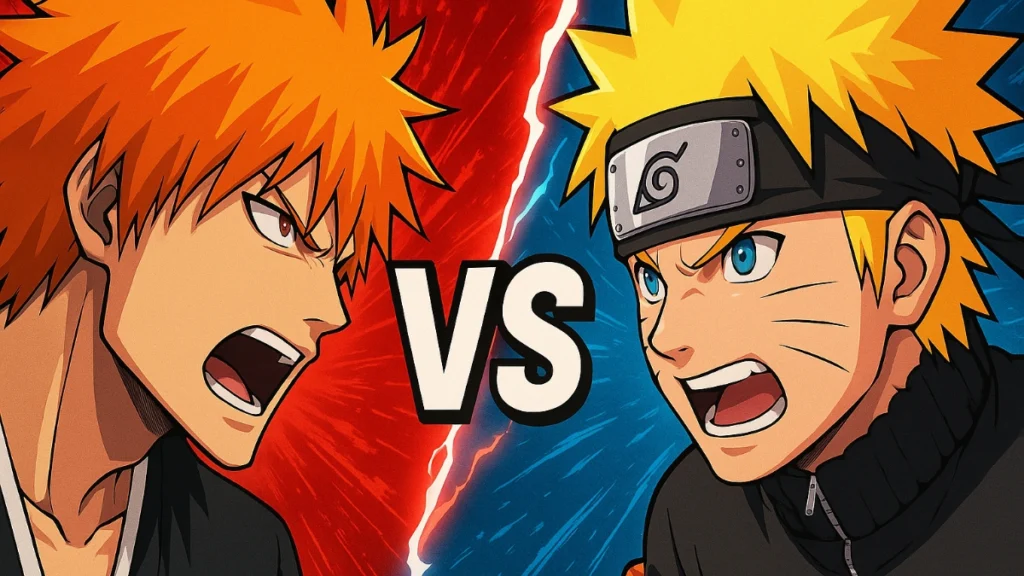
The Bleach vs Naruto debate is one of those things every anime fan gets dragged into eventually. It starts casually — someone says “Ichigo solos” or “Naruto clears,” and suddenly you’re three hours deep into explaining why Pain’s philosophy mattered or why Byakuya’s entrance scene is still undefeated. Since I grew up watching both — rewatching episodes until 4 a.m., pausing the screen to admire fight scenes, memorizing speeches — this is a comparison straight from the heart.
Story
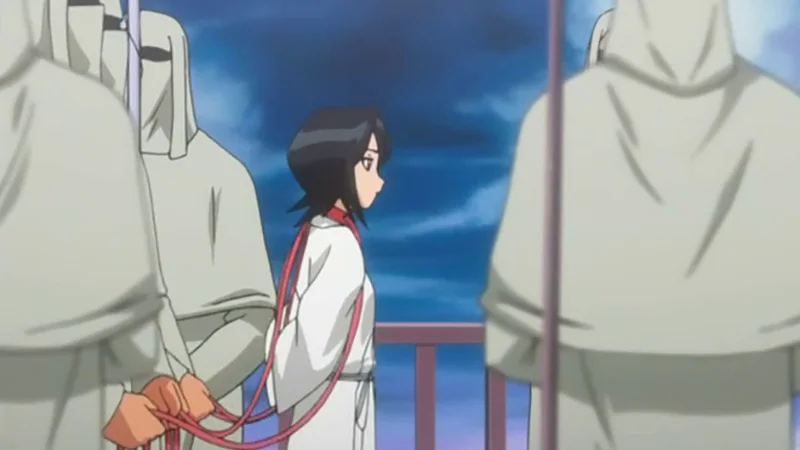
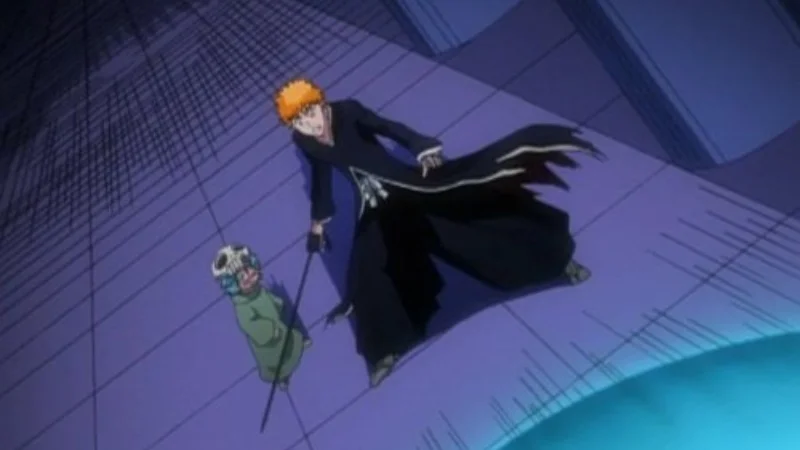
Bleach has this mysterious, spiritual atmosphere from the very beginning. Ichigo going from “guy who sees ghosts” to “guy fighting captains in another dimension” happens fast, and the way Soul Society is introduced is honestly one of the coolest moments in shonen. The Soul Society rescue arc is the moment Bleach hooked millions of fans. The tension, the pacing, the reveals — it’s the kind of storyline you can rewatch and still get goosebumps. Then things get darker with the Arrancars and Hueco Mundo, and by the time Thousand-Year Blood War hits, the world feels massive and dangerous and full of secrets finally coming out.

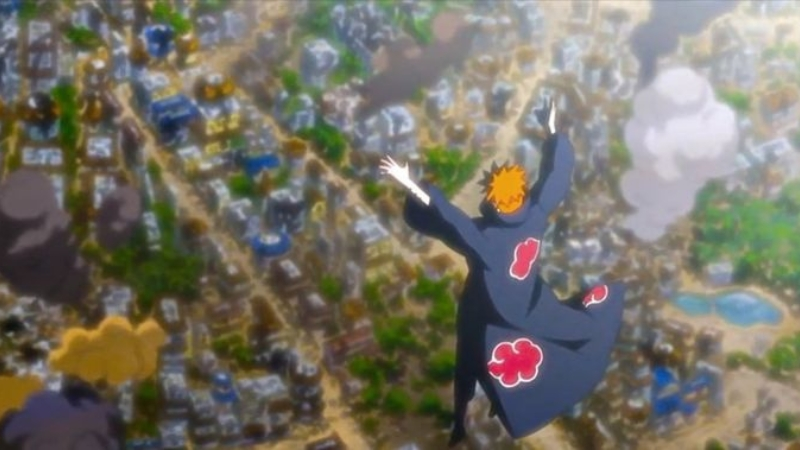
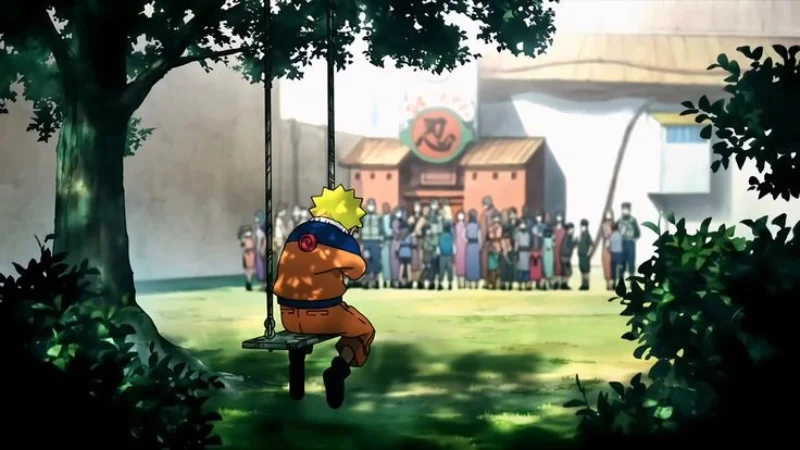
Naruto’s story hits in a different way. It’s emotional right from the start. Watching Naruto go from an outcast to someone who earns respect is incredibly satisfying. The story is built on human struggles, friendships, betrayals, and the idea that people are shaped by pain. Moments like Naruto sitting alone on the swing, or the leaf village turning against him, hit harder when you see how far he eventually comes. Arcs like the Chunin Exams, the Sasuke Retrieval mission, and the Pain arc stay with you because they’re driven by emotion, not just action.
Characters
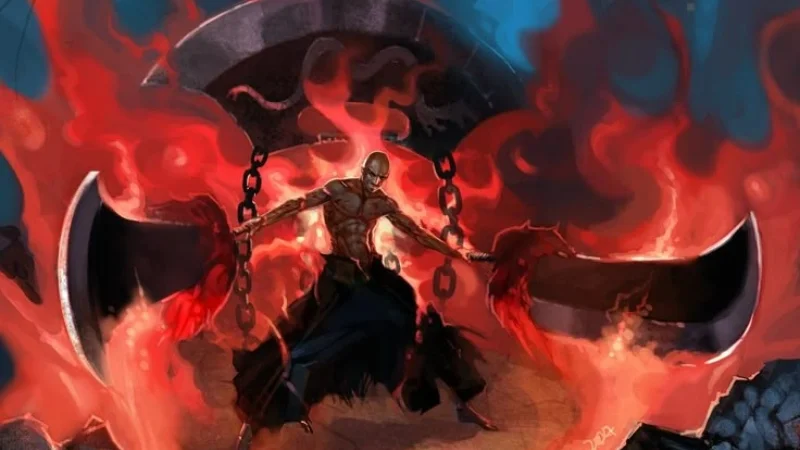
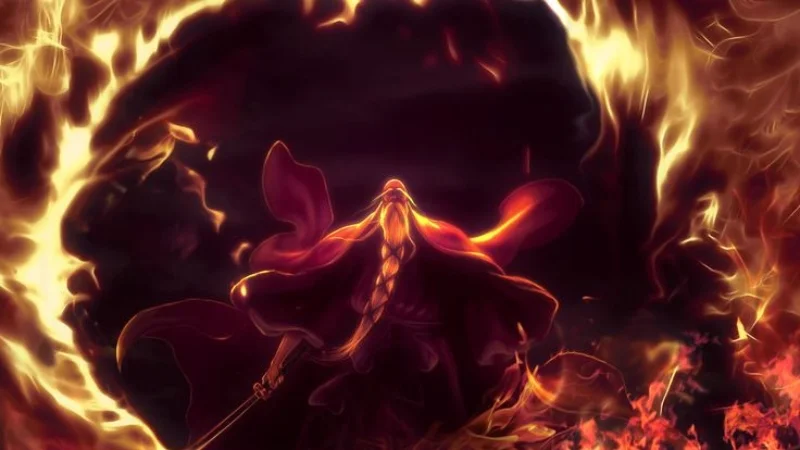
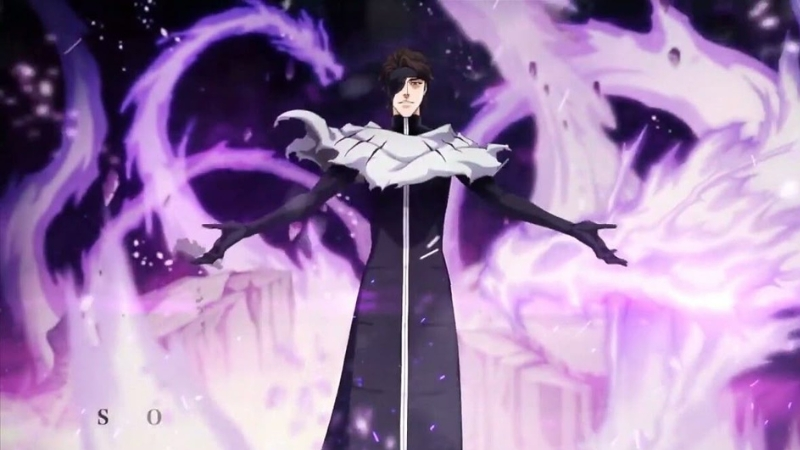
Bleach characters don’t even need to say anything before you remember them. Ichigo feels surprisingly grounded despite the chaos constantly thrown at him. Rukia’s humor slips in at times, Byakuya carries himself with that calm “I don’t need to raise my voice to put you in your place” confidence, and Kenpachi… well, Kenpachi just walks onscreen and everyone knows the fun is about to start. Then you’ve got people like Ikkaku, who treats every fight like it’s a gift, and still insists on holding back his true strength just so he can enjoy the struggle a bit longer. Yamamoto stands on the opposite end — a walking reminder of how old and heavy Soul Society’s history really is, the kind of character where you can tell just by looking at him that you do not want to see him get serious. And Aizen — every time that man adjusted his glasses, someone’s entire worldview fell apart. Bleach’s cast stays in your head because each of them brings their own very clear energy to the screen.

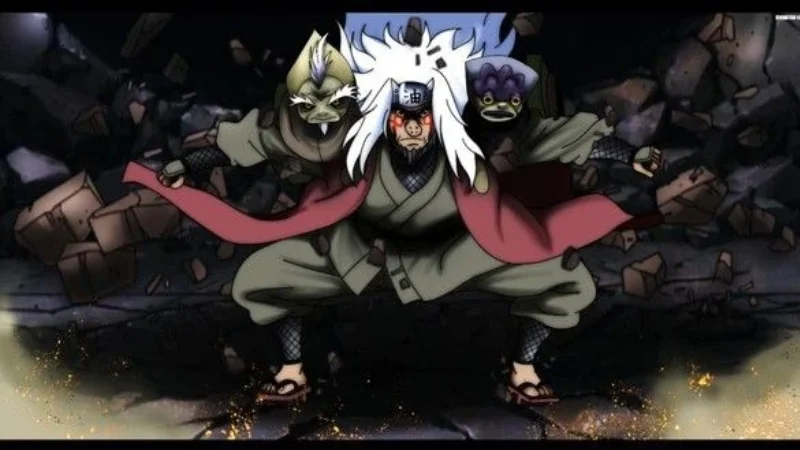
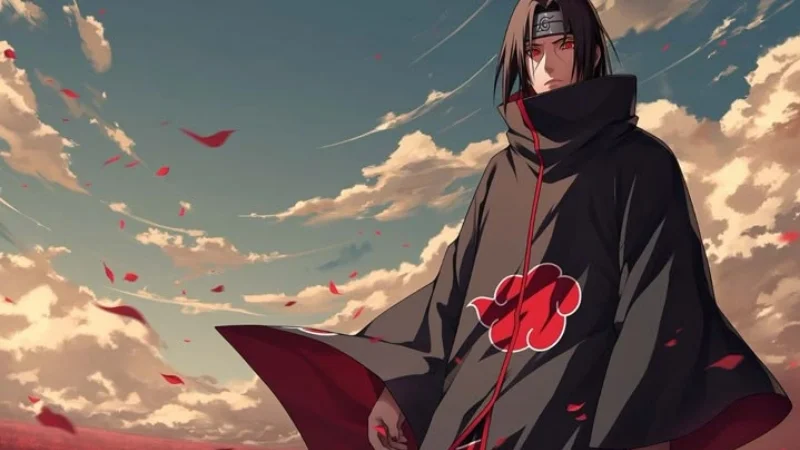
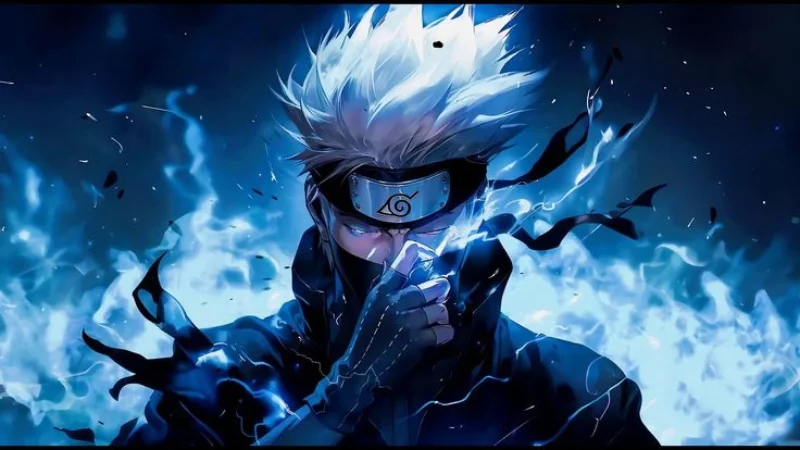
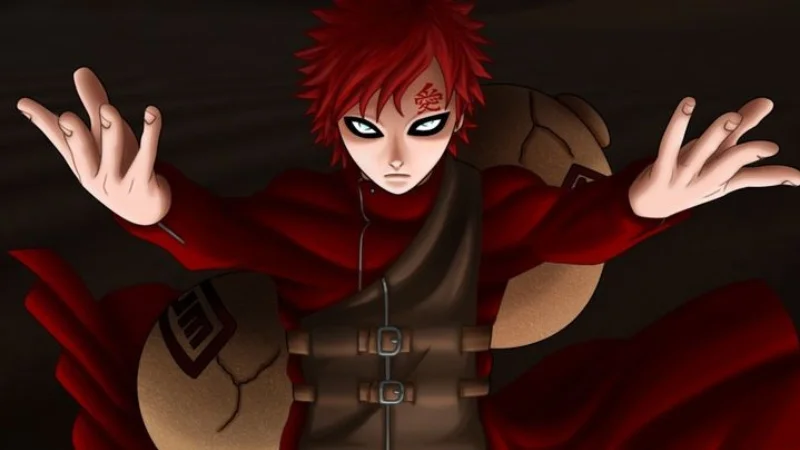
Naruto’s characters hit in a completely different way. They feel raw, open, and painfully human. Naruto wanted acceptance more than anything, which made his growth feel personal to watch. Sasuke’s search for truth and closure pushed him through some of the darkest routes. Kakashi’s quiet grief sits behind every calm expression, and somehow he remains one of the most composed people in the entire story. Jiraiya feels like that one messy, imperfect adult who still tries to do the right thing, even when he knows he’s carrying regrets he can’t fix. Gaara’s shift from a feared, isolated child into a respected leader is still one of the most heartfelt transformations in anime. Pain is on the other side of that spectrum — someone so shattered by loss that he tries to force peace through fear, and the worst part is that you understand how he got there. And Itachi… even thinking about his story can hit you harder than most full arcs in other series. Naruto’s cast grows with you, and you understand them not because they’re perfect, but because they feel like people trying to survive a world that’s constantly asking too much of them.
Fights
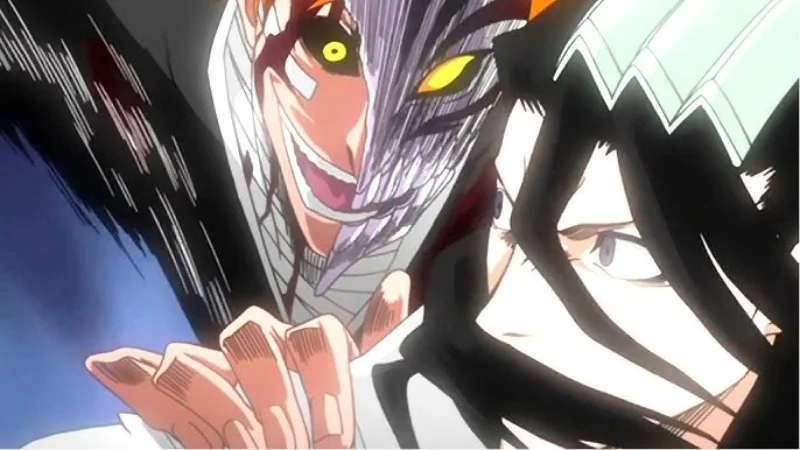
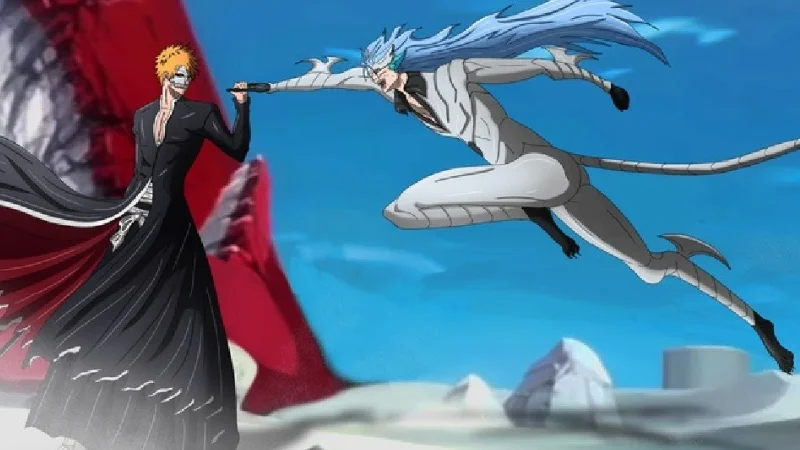
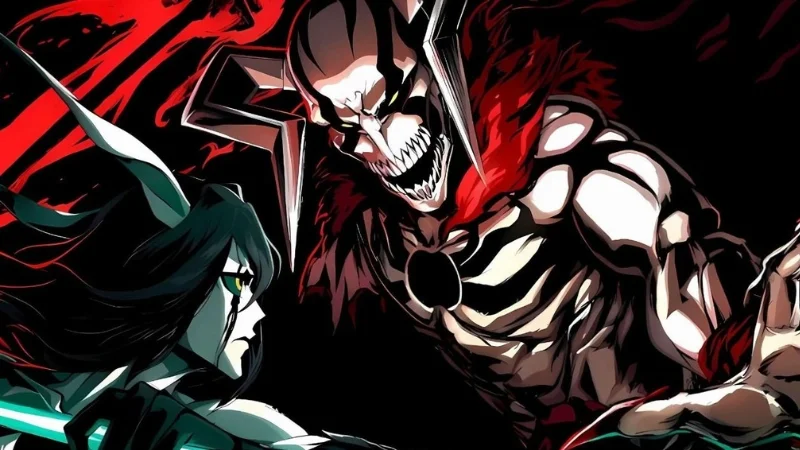
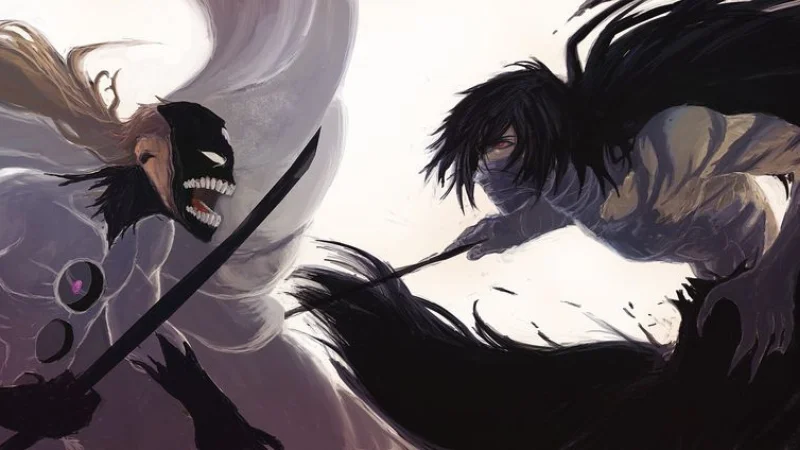
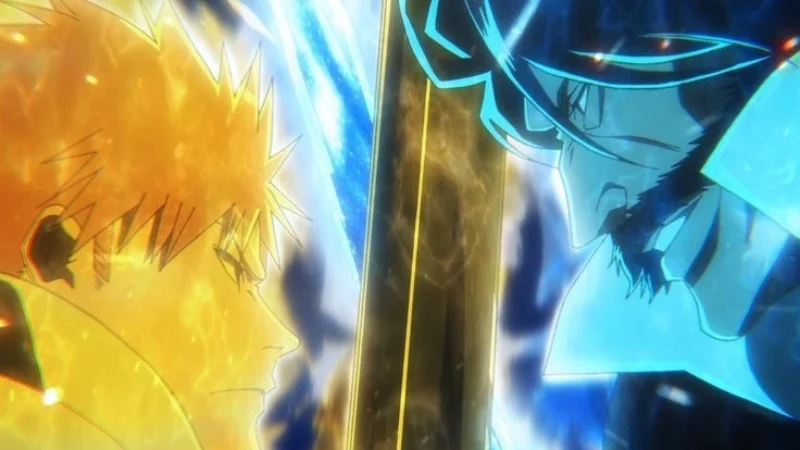
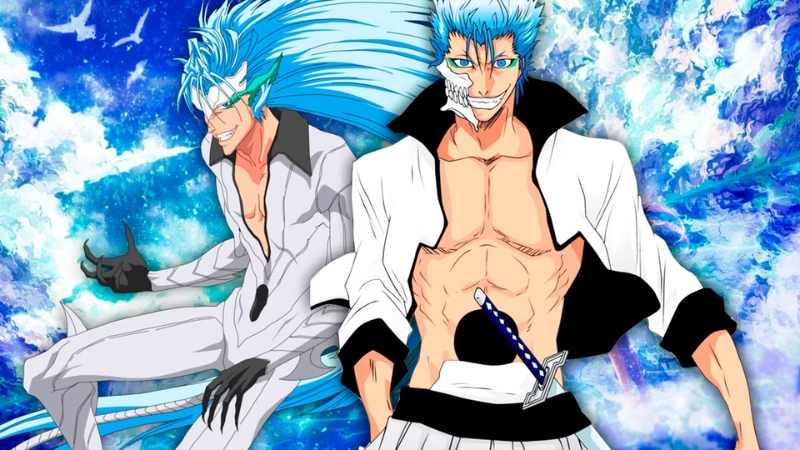
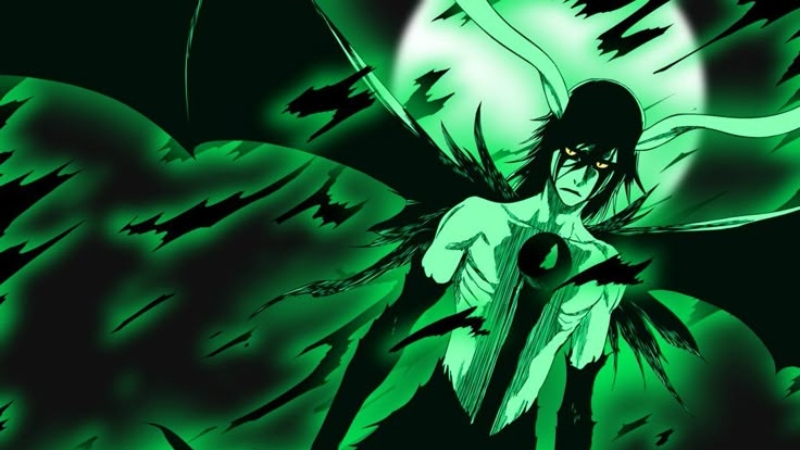
Bleach fights hit you the second they start. Not because they’re flashy, but because you can feel what’s at stake. When someone pulls out a Bankai, your whole brain goes, “Okay, THIS is the moment.” Ichigo vs Byakuya still feels like two completely different philosophies smashing into each other, and his fights with Grimmjow are basically two stubborn idiots refusing to back down even when they’re practically falling apart. And Ichigo vs Ulquiorra ? That wasn’t just a fight anymore — it felt like everything inside Ichigo snapped, in a good and terrifying way. And just when you think Bleach already gave you the big fights, you get Ichigo vs Aizen , which honestly felt like a boss battle the entire series was foreshadowing. That moment is burned into anime history. Then there’s Ichigo vs Yhwach, where suddenly it feels like the fate of literally everything is hanging by a thread, and you’re just sitting there thinking, “How is he even still standing?”
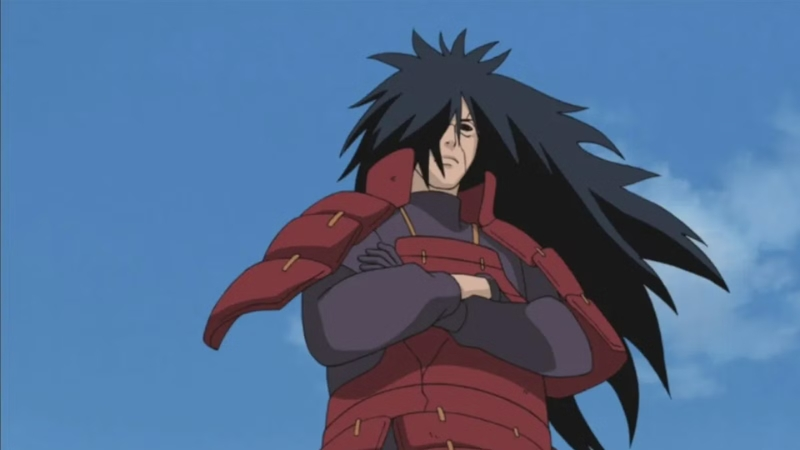
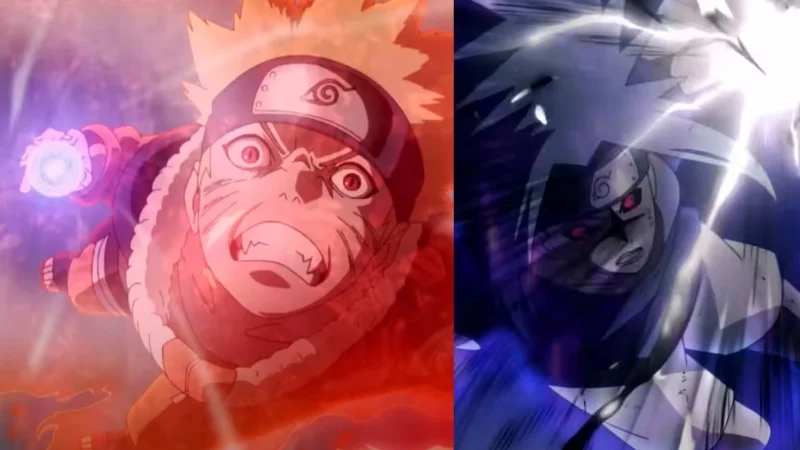
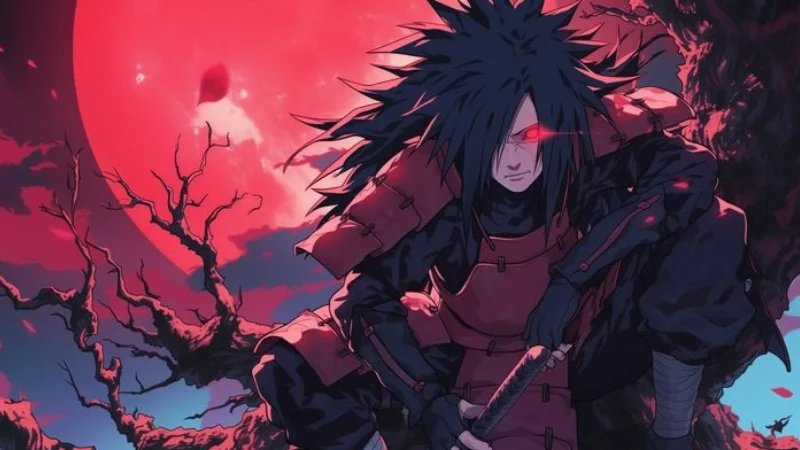
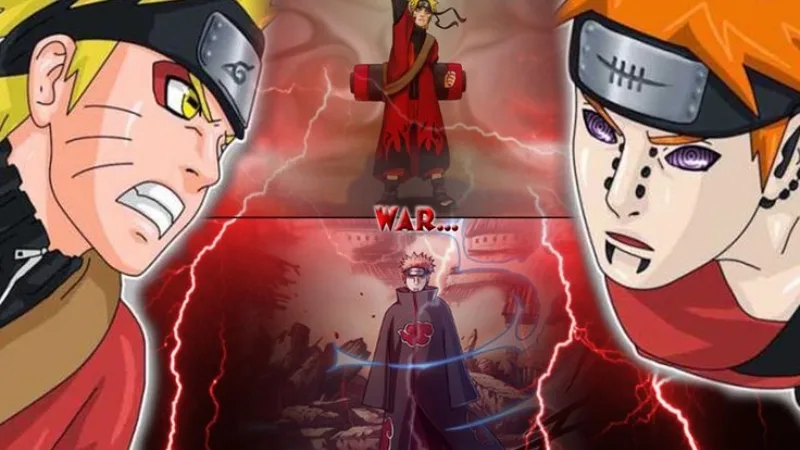
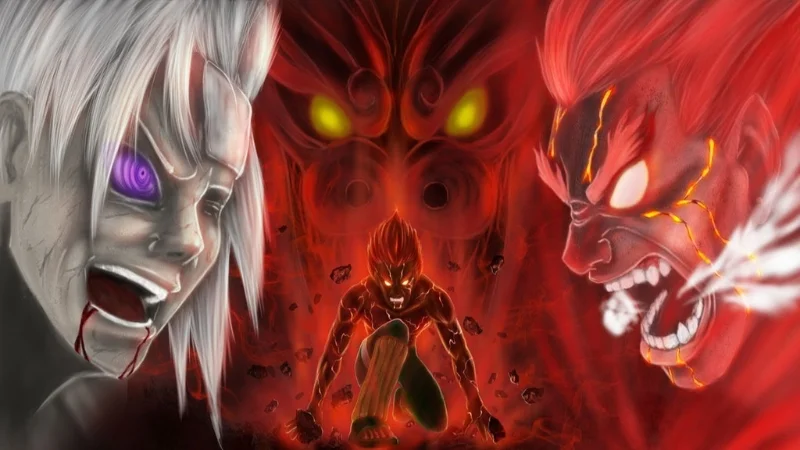
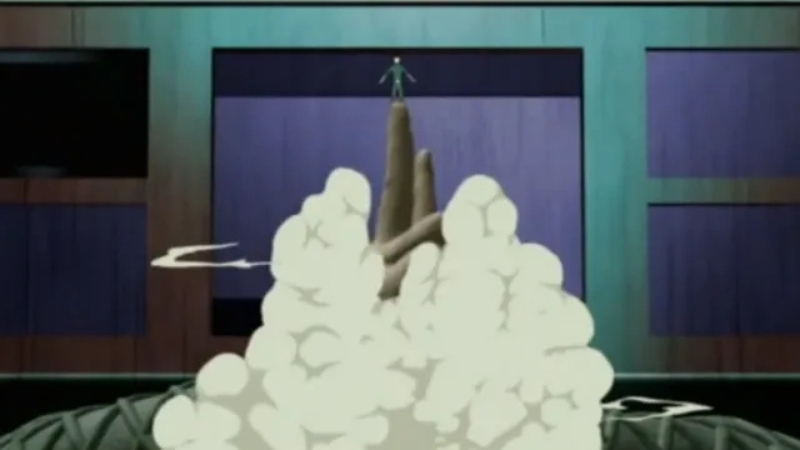
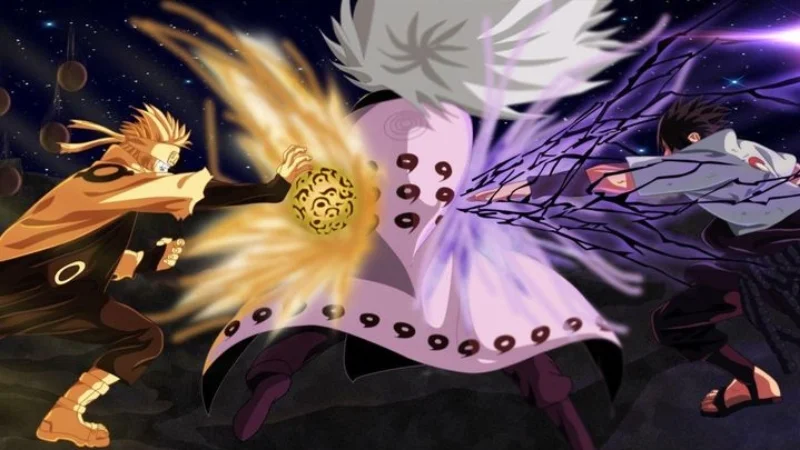
Naruto fights have different elements. They’re emotional, strategic, and you always know why people are fighting. Rock Lee dropping his weights is still one of the coolest “oh, it’s real now” moments ever. Naruto vs Sasuke at the Final Valley is basically every childhood memory these two shared turning into fists. Jiraiya vs Pain honestly hurts to rewatch, even when you know what’s coming. And then there’s Naruto vs Madara — one of those “so this is what all that buildup was for” fights. But nothing compares to Might Guy vs Madara. That moment when Guy opens the Eighth Gate feels like you’re watching history happen. Even Madara — who barely acknowledges anyone — straight up admits Guy is the strongest person he’s fought. That’s not just a compliment, that’s Madara admitting he’s impressed. Then Naruto and Sasuke go at it one last time, and it doesn’t even feel like a villain fight anymore — it feels like two people finally finishing a conversation that’s been going on since episode one. Naruto fights stick with you not because they look cool (although they do), but because there’s always something underneath the punches.
The Worlds They Built
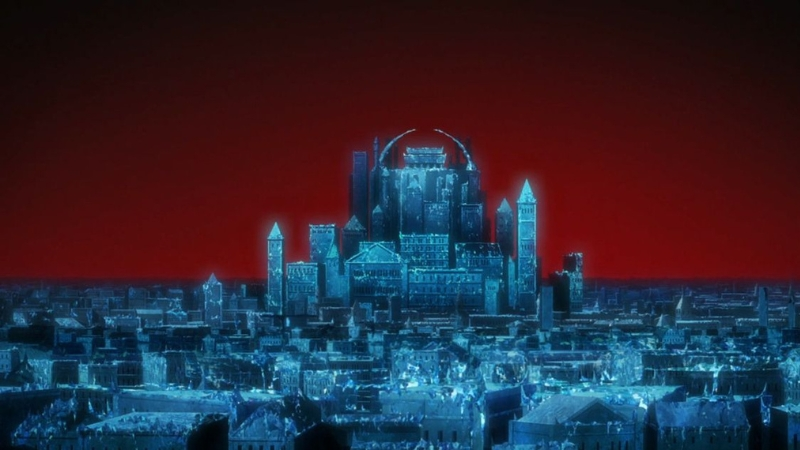
Bleach’s world feels like this huge spiritual ecosystem you barely understand at first. Soul Society looks peaceful on the surface, but underneath it, there are layers of old traditions, politics, and history that nobody explains right away. The Seireitei feels orderly and noble, while Rukongai feels rough and unpredictable, and the difference between those two alone says a lot about how Soul Society actually works. Then there’s Hueco Mundo, which feels like a desert made out of loneliness — quiet, empty, and honestly kind of unsettling in a way that fits the Hollows perfectly. And later, when you start seeing the Royal Realm and what the Soul King actually represents, the whole universe suddenly feels so much bigger than just Soul Reapers vs Hollows. Bleach never dumps everything on you at once; it lets the world unfold little by little, like you’re discovering something ancient instead of just watching another fantasy setting.
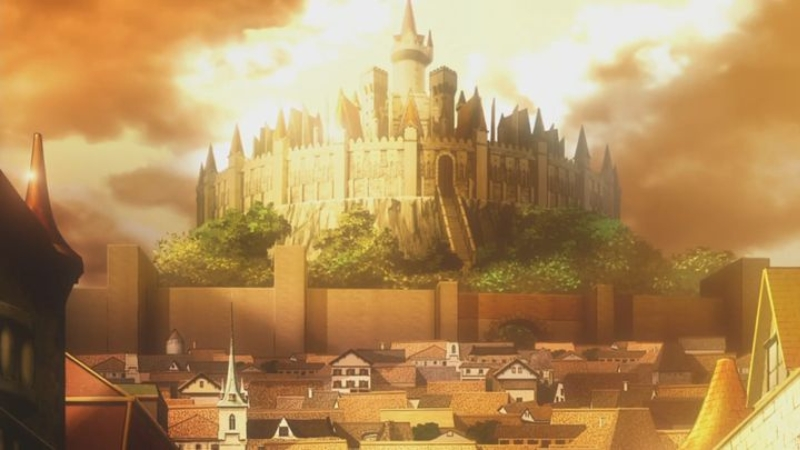

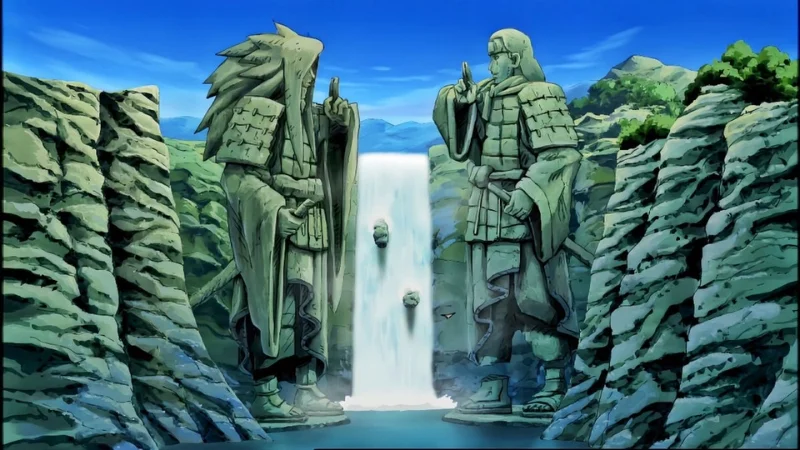
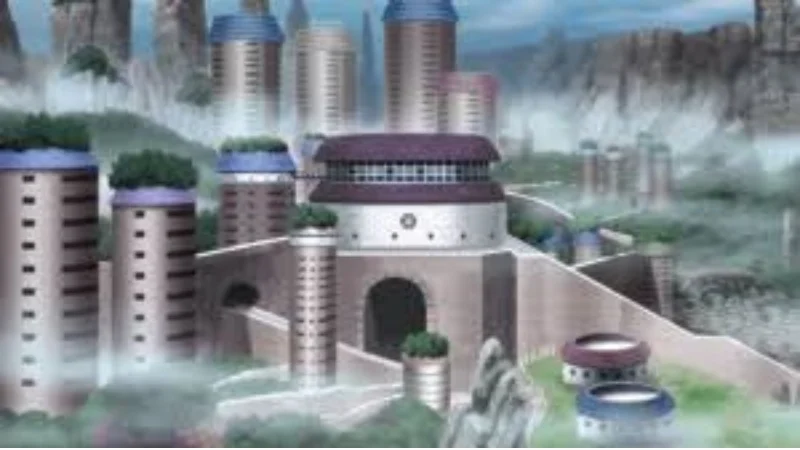
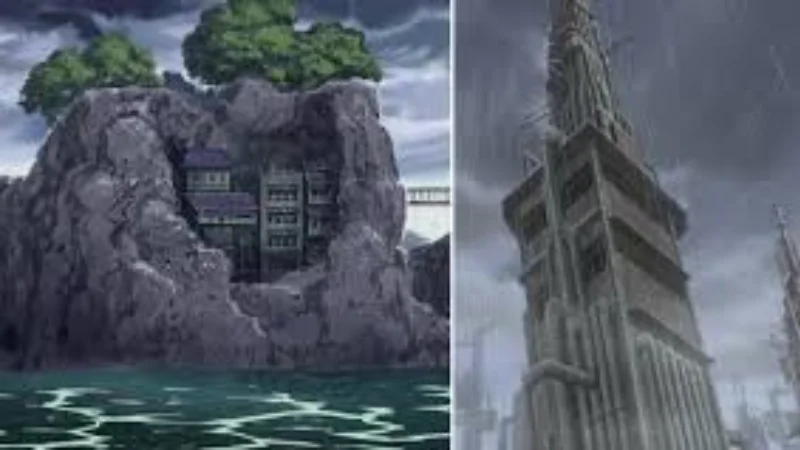
Naruto’s world feels almost like a real place people actually live in. Every village has its own personality — Hidden Leaf has that warm, traditional feeling, like everyone’s connected somehow. The Hidden Sand looks harsh and isolated, and you can see that reflected in their attitudes and history. The Hidden Mist used to be so brutal that it earned the nickname “Bloody Mist,” and the series doesn’t shy away from talking about how that shaped an entire generation of shinobi. The Hidden Cloud feels proud and powerful, and the Hidden Rain is basically the symbol of pain and war wrapped inside a city. Even the smaller villages carry their own stories and scars.
Wars, old grudges, clan rivalries — everything left marks that still affect people in the present. And the show actually lets you see how these places think, fight, and react differently. It doesn’t feel like a bunch of fantasy names thrown onto a map — it feels like separate cultures learning how to survive the same dangerous world in their own ways.



Villains
Bleach villains are iconic because they have an overwhelming presence. Aizen’s betrayal is still legendary — calm, calculated, and terrifying. Ulquiorra’s emptiness, Grimmjow’s ferocity, and Yhwach’s absolute dominance each add something unique to the series. They feel untouchable.
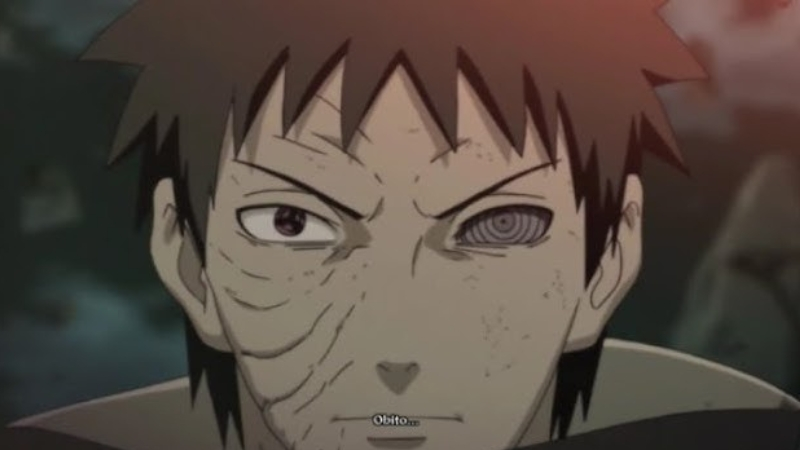
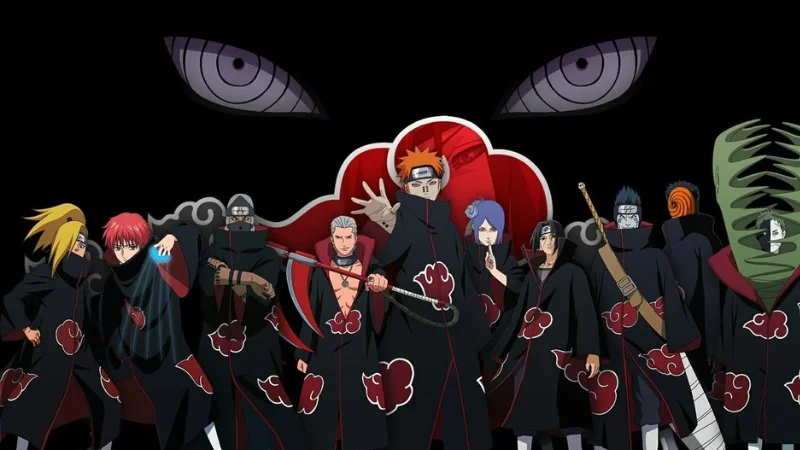
Naruto villains stay with you for completely different reasons. They aren’t just “evil” — they’re broken, damaged, and shaped by experiences that pushed them over the edge. Pain, with his views on suffering, makes you question what “peace” even means. Obito’s entire downfall begins with a single heartbreaking moment that changed everything he believed in. Madara is the embodiment of someone who saw too much war and lost faith in humanity. And Itachi… well, once you learn the truth behind his choices, he stops being a villain entirely and becomes one of the most tragic figures in anime. Naruto’s antagonists leave emotional scars, not just plot twists.