For over sixty years, Reed, Sue, Johnny, and Ben have amassed a rogues’ gallery unlike any other, ranging from petty criminals with glue guns to literal gods who eat planets. We’ve ranked the Fantastic Four Villains, moving from the persistent nuisances to the cosmic entities that threaten existence itself.
20. Trapster (Paste-Pot Pete)
The Underrated Nuisance
- Real Name: Peter Petruski
- First Appearance: Strange Tales #104 (1962)
- First FF Appearance: Fantastic Four Vol. 1 #36 (1965)
- Origin & Background: Peter Petruski was a talented chemist whose invention of an incredibly powerful adhesive should have made him famous. Instead, it made him frustrated. Rebranding himself from the laughable “Paste-Pot Pete” to the more intimidating Trapster, he set his sights on the Fantastic Four. Despite lacking superpowers, Trapster has remained persistent, often aligning himself with stronger villains to stay relevant.
- Powers & Abilities:
- Adhesive weapons capable of immobilizing superhumans
- Chemical expertise
- Skilled trap-maker
- High tactical creativity (often underestimated)
- Key Fantastic Four Comic Appearances:
- Fantastic Four Vol. 1 #36 – Becomes Trapster
- Fantastic Four Vol. 1 #192 – Frightful Four revival
- Fantastic Four Vol. 1 #253 – Solo encounter
- Why Trapster Matters: Trapster proves that not every Fantastic Four villain needs godlike power. His danger lies in preparation and persistence. Over time, he became a reminder that even minor villains can remain threats through ingenuity alone.
19. Diablo
The Immortal Alchemist
- Real Name: Esteban de Ablo
- First Appearance: Fantastic Four Vol. 1 #30 (1964)
- Origin & Background: Diablo is a centuries-old alchemist who discovered the Philosopher’s Stone, granting him immortality. Unlike modern scientific villains, Diablo represents an older world — one rooted in superstition, mysticism, and forbidden knowledge. His conflicts with the Fantastic Four often revolve around science versus sorcery.
- Powers & Abilities:
- Immortality
- Alchemical transmutation
- Creation of monsters and homunculi
- Mind control via chemical compounds
- Key Fantastic Four Comic Appearances:
- Fantastic Four Vol. 1 #30 – Debut
- Fantastic Four Vol. 1 #40 – Immortality plot
- Fantastic Four Vol. 1 #98 – Return arc
- Why Diablo Matters: Diablo exists to challenge Reed Richards’ belief that science can explain everything. His presence reinforces a core Fantastic Four theme: the universe is bigger — and stranger — than pure logic.
18. Puppet Master
The Manipulator of Free Will
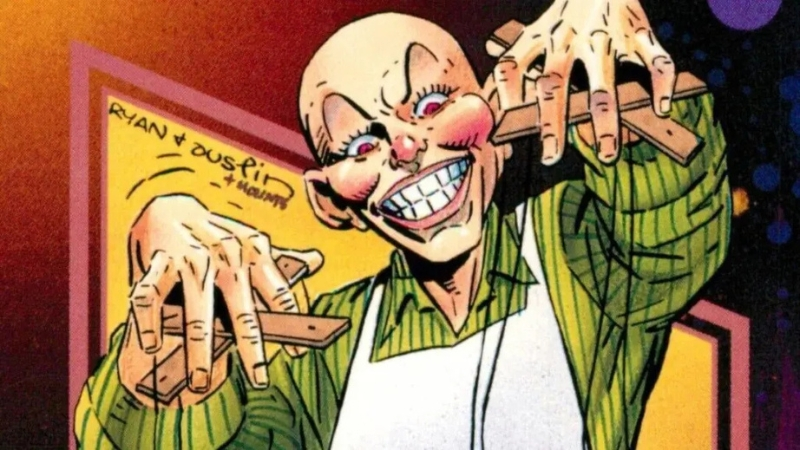
- Real Name: Phillip Masters
- First Appearance: Fantastic Four Vol. 1 #8 (1962)
- Origin & Background: Using radioactive clay, Puppet Master can control anyone whose likeness he sculpts. While physically unimposing, his ability to remove free will makes him one of the more unsettling Fantastic Four villains. His connection to Alicia Masters, his stepdaughter, gives his stories emotional weight rarely seen in early Marvel comics.
- Powers & Abilities:
- Mind control via radioactive clay
- Psychological manipulation
- Strategic exploitation of personal relationships
- Key Fantastic Four Comic Appearances:
- Fantastic Four Vol. 1 #8 – Debut
- Fantastic Four Vol. 1 #30 – Alicia Masters arc
- Fantastic Four Vol. 3 #2 – Psychological warfare
- Why Puppet Master Matters: Puppet Master showed that control is more frightening than brute force. By attacking autonomy rather than bodies, he forced the Fantastic Four to confront threats they couldn’t simply fight.
17. Red Ghost
Science Without Humanity
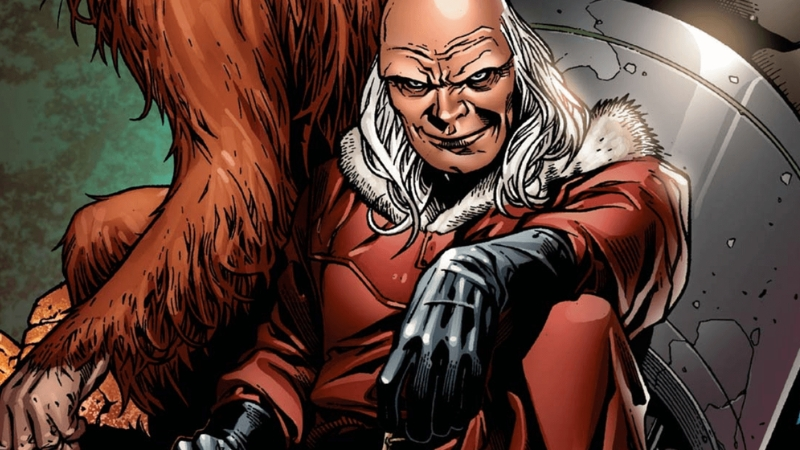
- Real Name: Ivan Kragoff
- First Appearance: Fantastic Four Vol. 1 #13 (1963)
- Origin & Background: A Soviet scientist obsessed with replicating the Fantastic Four’s origin, Red Ghost exposed himself and his trained apes to cosmic radiation. Unlike Reed Richards, Kragoff lacked restraint, morality, and responsibility. The result was power without purpose.
- Powers & Abilities:
- Intangibility (phasing through solid matter)
- Genius-level scientific intellect
- Command of Super-Apes with specialized abilities
- Key Fantastic Four Comic Appearances:
- Fantastic Four Vol. 1 #13 – Debut
- Fantastic Four Vol. 1 #86 – Cold War conflict
- Why Red Ghost Matters: Red Ghost serves as a warning: intelligence alone is not wisdom. His stories underline Marvel’s belief that science, without empathy, becomes destructive.
16. Wizard (Bentley Wittman)
The Enemy of Recognition
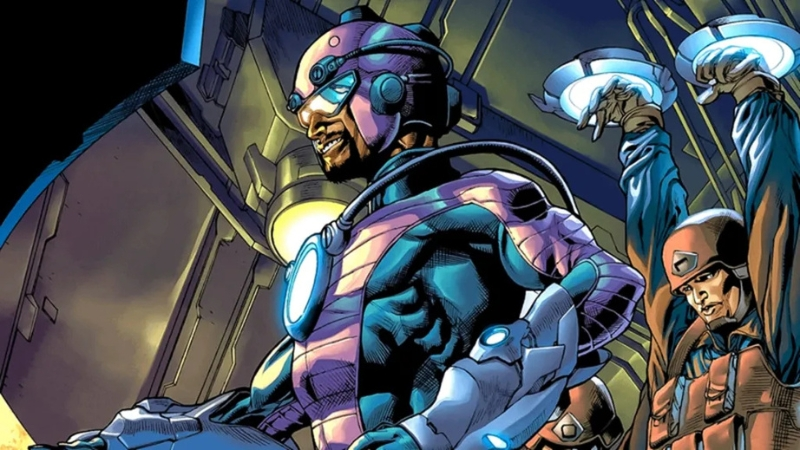
- Real Name: Bentley Wittman
- First FF Appearance: Fantastic Four Vol. 1 #36 (1965)
- Origin & Background: Wizard is a brilliant inventor who believes the world chose Reed Richards over him. Unlike Doom, he lacks vision or ideology — what drives him is resentment. He formed the Frightful Four to prove he could outthink and outfight Marvel’s First Family.
- Powers & Abilities:
- Anti-gravity discs
- Advanced force fields
- High-level engineering genius
- Tactical leadership
- Key Fantastic Four Comic Appearances:
- Fantastic Four Vol. 1 #36–38 – Frightful Four debut
- Fantastic Four Vol. 1 #187 – Wizard vs Reed
- Why Wizard Matters: Wizard represents a smaller, more human failure — the inability to accept not being the best. His downfall isn’t lack of intelligence, but lack of purpose.
15. Mad Thinker
The Tyranny of Logic
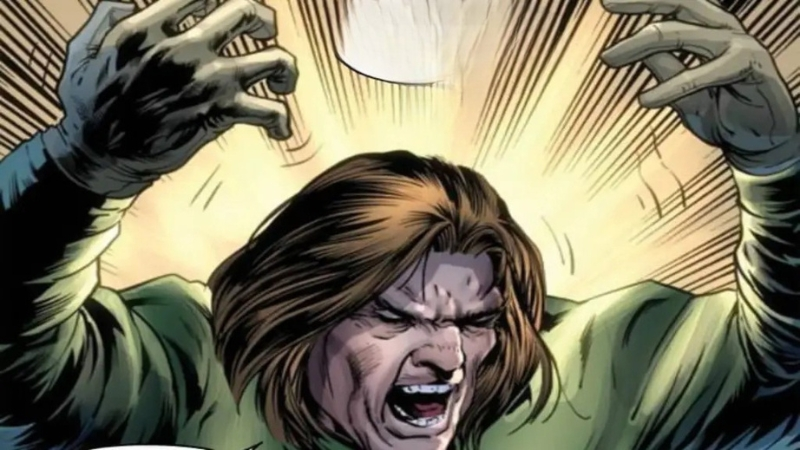
- Real Name: Unknown
- First Appearance: Fantastic Four Vol. 1 #15 (1963)
- Origin & Background: The Mad Thinker is a brilliant scientist who believes free will is an illusion and that all human behavior can be reduced to mathematics. Using predictive algorithms, he claims to foresee every action before it happens — including those of the Fantastic Four. Unlike Doom or Reed Richards, the Mad Thinker has no interest in ruling the world emotionally. To him, humanity is simply a problem to be solved.
- Powers & Abilities:
- Genius-level intellect
- Predictive computation of human behavior
- Creation of advanced androids (notably Awesome Android)
- Long-term strategic planning
- Key Fantastic Four Comic Appearances:
- Fantastic Four Vol. 1 #15 – Debut
- Fantastic Four Vol. 1 #65 – Android War
- Fantastic Four Vol. 1 #125 – Return arc
- Why Mad Thinker Matters: Mad Thinker attacks the Fantastic Four’s optimism at its core. If everything can be predicted, then heroism becomes meaningless. His stories challenge the idea that choice — not intelligence — is what truly defines humanity.
14. Frightful Four (Team)
A Dark Reflection of Marvel’s First Family
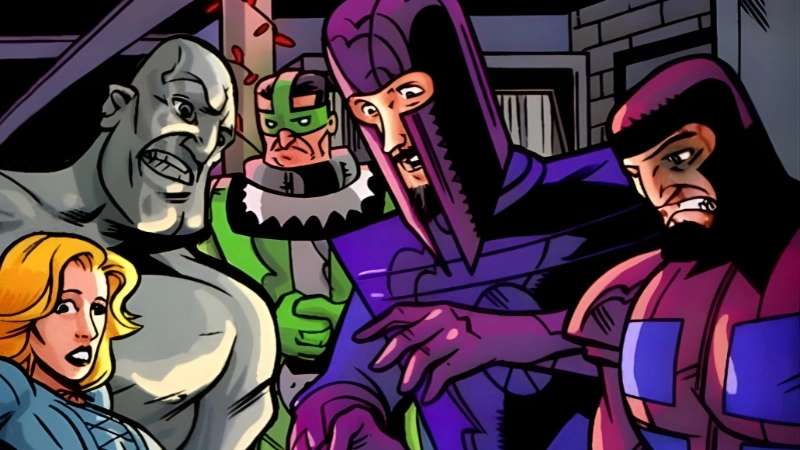
- First Appearance: Fantastic Four Vol. 1 #36 (1965)
- Founding Members: Wizard, Sandman, Trapster, Medusa
- Origin & Background: The Frightful Four were assembled with one goal: defeat the Fantastic Four by mirroring them. Rather than raw power, they relied on coordination, preparation, and exploiting the team’s weaknesses. Over the years, the lineup has changed, but the idea remains the same — strength through structure, not heroism.
- Powers & Abilities:
- Team-based tactics
- Diverse power sets designed to counter the Fantastic Four
- Strategic planning rather than brute force
- Key Fantastic Four Comic Appearances:
- Fantastic Four Vol. 1 #36–38 – Original formation
- Fantastic Four Vol. 1 #192 – Later incarnation
- Why the Frightful Four Matter: The Frightful Four prove that the Fantastic Four’s greatest strength — teamwork — can also be weaponized against them. They are not united by ideals, but by shared resentment, which ultimately limits them.
13. Psycho-Man
Fear as a Weapon
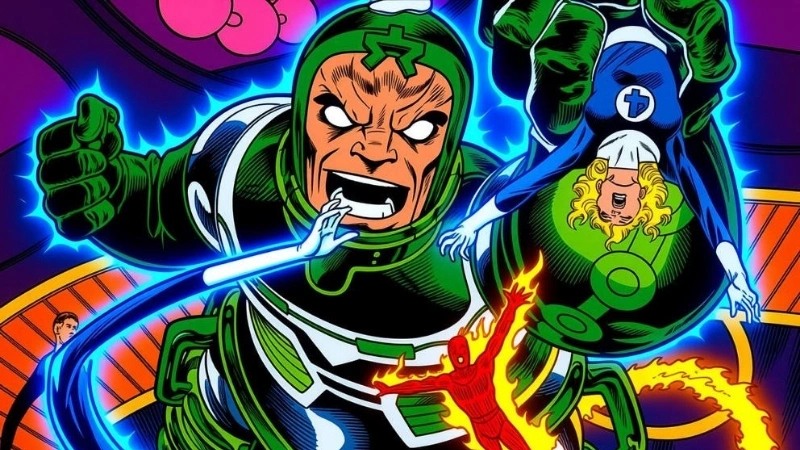
- First Appearance: Fantastic Four Vol. 1 #78 (1968)
- Origin & Background: Psycho-Man hails from the Microverse, a subatomic world ruled by emotional control. Using technology that amplifies fear, doubt, and hatred, he seeks domination not through force, but through psychological collapse. His most lasting impact comes from his manipulation of Sue Storm, pushing her toward emotional extremes.
- Powers & Abilities:
- Emotion-control technology
- Manipulation of fear, doubt, and hatred
- High-level Microverse technology
- Key Fantastic Four Comic Appearances:
- Fantastic Four Vol. 1 #78–79 – Debut
- Fantastic Four Vol. 1 #280 – Emotional trauma arc
- Why Psycho-Man Matters: Psycho-Man showed that the Fantastic Four could be broken emotionally, not just physically. His influence on Sue Storm had lasting consequences, proving that internal wounds can be more damaging than cosmic threats.
12. Blastaar
The Tyrant of the Negative Zone
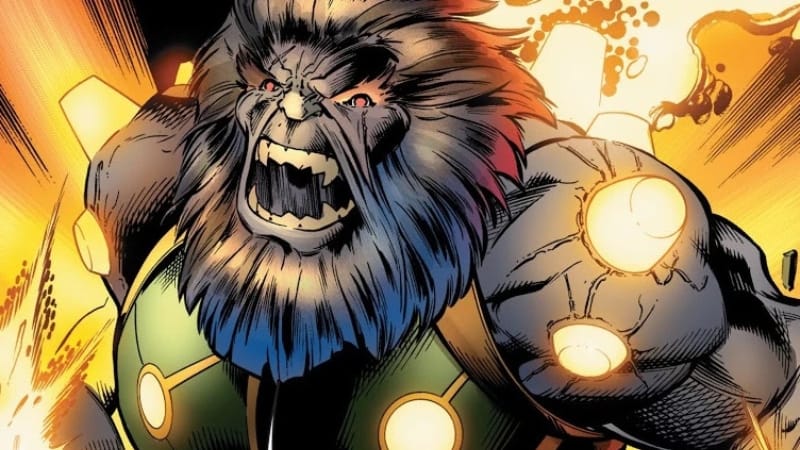
- First Appearance: Fantastic Four Vol. 1 #62 (1967)
- Origin & Background: Blastaar is a warlord from the Negative Zone, ruling through brute force and fear. Unlike Annihilus, Blastaar thrives on domination and destruction, seeking constant conflict to assert his power. His rivalry with Annihilus often spills into Fantastic Four stories, dragging the team into interdimensional wars.
- Powers & Abilities:
- Superhuman strength
- Energy projection
- Near-invulnerability
- Military command over Negative Zone forces
- Key Fantastic Four Comic Appearances:
- Fantastic Four Vol. 1 #62–63 – Debut
- Fantastic Four Vol. 1 #149 – Blastaar vs Annihilus
- Why Blastaar Matters: Blastaar represents unchecked aggression. He is conquest without ideology — power for its own sake. His presence emphasizes how dangerous the Negative Zone truly is, even without Annihilus at its center.
11. Impossible Man
Power Without Limits — or Purpose
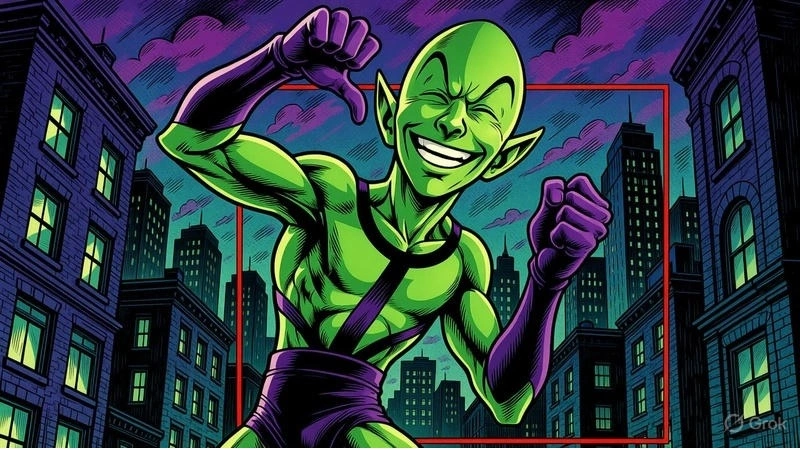
- First Appearance: Fantastic Four Vol. 1 #11 (1963)
- Origin & Background: Impossible Man comes from the planet Poppup, where physical laws don’t apply the way they do on Earth. To him, reality is flexible, rules are optional, and consequences are irrelevant. Though often played for humor, Impossible Man possesses abilities that place him far above most Fantastic Four villains.
- Powers & Abilities:
- Complete molecular control
- Shape-shifting into any form
- Immunity to physical harm
- Total unpredictability
- Key Fantastic Four Comic Appearances:
- Fantastic Four Vol. 1 #11 – Debut
- Fantastic Four Vol. 1 #176 – Escalated chaos
- Why Impossible Man Matters: Impossible Man exposes the limits of intelligence and preparation. The Fantastic Four cannot outthink him because he doesn’t think the way they do. His power lies in unpredictability — and that makes him far more dangerous than he appears.
10. Mole Man
The King Beneath the World
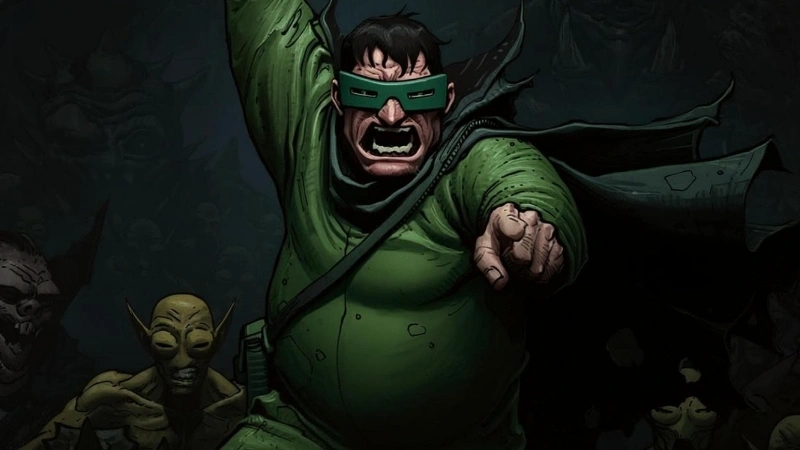
- Real Name: Harvey Rupert Elder
- First Appearance: Fantastic Four Vol. 1 #1 (1961)
- Origin & Background: Rejected by society for his appearance and temperament, Harvey Elder retreated underground, where he discovered the vast hidden realm of Subterranea. There, he found acceptance, power, and purpose — things the surface world never gave him. Unlike many Fantastic Four villains, Mole Man does not crave global domination. He wants recognition, security, and respect for a world humanity refuses to acknowledge.
- Powers & Abilities:
- Command of subterranean monsters (Moloids)
- Advanced underground technology
- Mastery of Earth’s subterranean geography
- Strategic control of fault lines and underground access points
- Key Fantastic Four Comic Appearances:
- Fantastic Four Vol. 1 #1 – First villain ever
- Fantastic Four Vol. 1 #22 – Return of Mole Man
- Fantastic Four Vol. 3 #54 – Modern reinterpretation
- Why Mole Man Matters: Mole Man represents the foundational idea of Marvel villains: rejection breeds resentment. As the first enemy the Fantastic Four ever faced, he set the emotional and thematic tone for everything that followed.
9. Namor the Sub-Mariner
A King Who Will Not Kneel
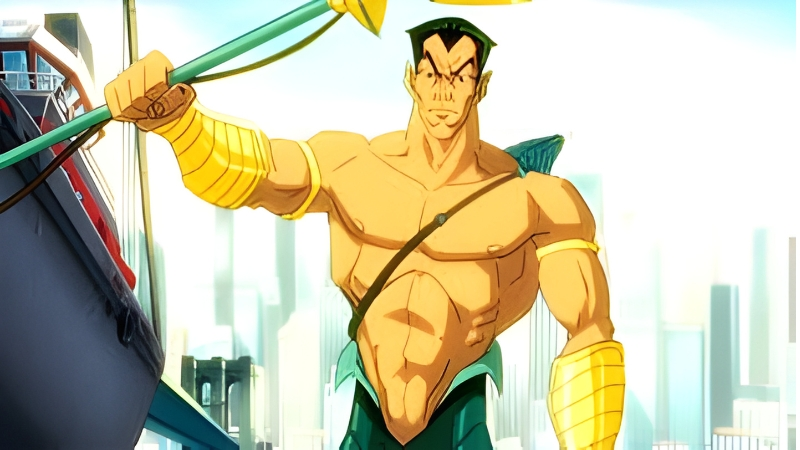
- Real Name: Namor McKenzie
- First FF Appearance: Fantastic Four Vol. 1 #4 (1962)
- Origin & Background: Namor is the hybrid son of an Atlantean royal and a human explorer. Raised between two worlds, he never fully belonged to either. As king of Atlantis, he carries centuries of anger toward the surface world for its pollution, wars, and disregard for the oceans. His conflict with the Fantastic Four is rooted in sovereignty, not villainy.
- Powers & Abilities:
- Superhuman strength rivaling the Hulk
- Flight via ankle wings
- Aquatic adaptation and longevity
- Command of Atlantean armies
- Key Fantastic Four Comic Appearances:
- Fantastic Four Vol. 1 #4 – Namor’s return
- Fantastic Four Vol. 1 #33 – Atlantis vs surface
- Fantastic Four Vol. 1 #103 – Namor vs Human Torch
- Why Namor Matters: Namor forces the Fantastic Four to confront political and moral gray areas. He is not wrong — he is simply uncompromising. His presence reminds readers that power used in defense of one world can look like villainy to another.
8. Kang the Conqueror
The Master of Time
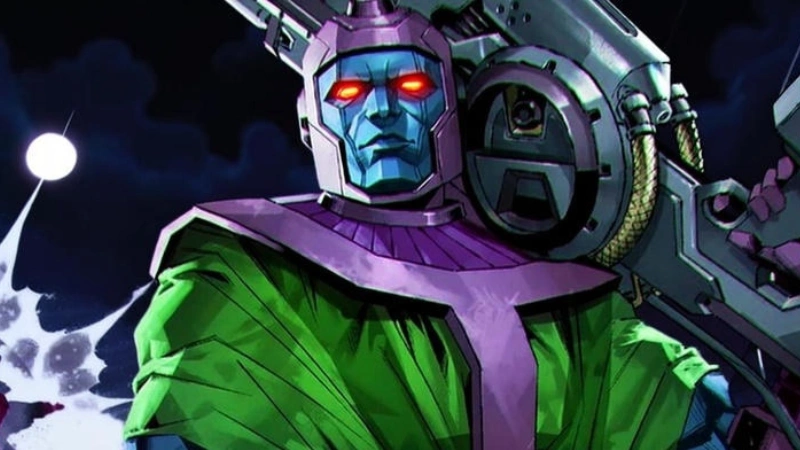
- First Appearance: Fantastic Four Vol. 1 #19 (1964)
- Origin & Background: Kang’s first appearance as Rama-Tut quietly introduced time travel as a weapon. Unlike villains who conquer space, Kang conquers eras, shaping civilizations long before resistance can form. Every version of Kang believes history belongs to him — and that the future is something to be owned.
- Powers & Abilities:
- Time travel and timeline manipulation
- Advanced future technology
- Genius-level strategist
- Knowledge of alternate histories
- Key Fantastic Four Comic Appearances:
- Fantastic Four Vol. 1 #19 – Rama-Tut debut
- Fantastic Four Vol. 1 #273 – Temporal consequences
- Why Kang Matters: Kang redefined what “power” meant in Marvel Comics. Strength fades, empires fall — but time endures. By mastering time, Kang removes hope itself from the equation.
7. Super-Skrull (Kl’rt)
The Fantastic Four Turned Against Themselves
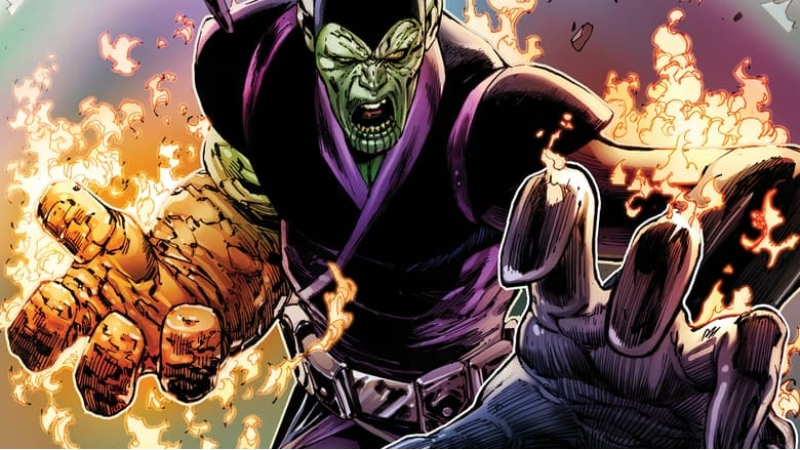
- Real Name: Kl’rt
- First Appearance: Fantastic Four Vol. 1 #18 (1964)
- Origin & Background: After repeated defeats by the Fantastic Four, the Skrull Empire created a living solution: one warrior with all four Fantastic Four powers combined. Kl’rt was loyal, capable, and disposable — until he wasn’t. Over time, Super-Skrull evolved beyond his programming, becoming a leader, a general, and eventually something closer to a person.
- Powers & Abilities:
- Elasticity, invisibility, force fields
- Super strength and durability
- Flame projection and flight
- Skilled alien warrior
- Key Fantastic Four Comic Appearances:
- Fantastic Four Vol. 1 #18–19 – Creation
- Fantastic Four Vol. 1 #167–168 – Skrull aftermath
- Annihilation: Super-Skrull – Character depth
- Why Super-Skrull Matters: Super-Skrull embodies the fear that the Fantastic Four’s greatest weapon — their powers — could be stripped of morality and used without restraint. He is their mirror, without conscience.
6. Molecule Man
The Man Who Can Unmake Reality
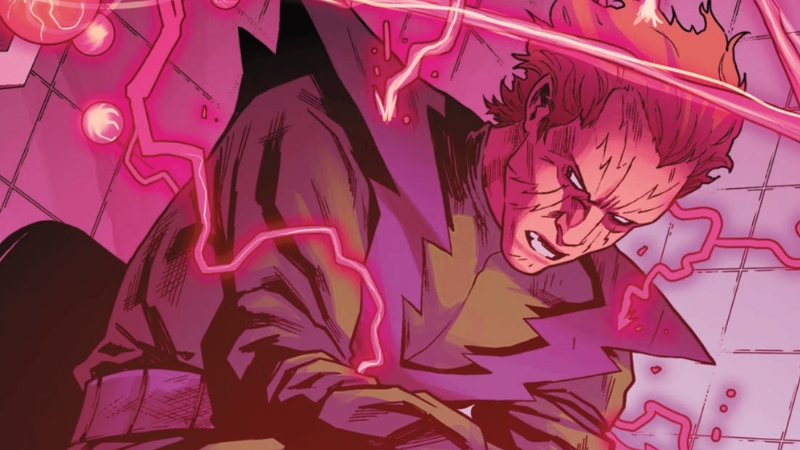
- Real Name: Owen Reece
- First Appearance: Fantastic Four Vol. 1 #20 (1963)
- Origin & Background: Owen Reece was an ordinary man whose exposure to experimental technology granted him control over molecules — and eventually, reality itself. At first, he barely understood what he had become. What makes Molecule Man terrifying is not cruelty, but insecurity. He does not want to rule the universe — he wants to stop feeling small.
- Powers & Abilities:
- Molecular manipulation
- Reality warping
- Energy projection
- Near-limitless power when emotionally triggered
- Key Fantastic Four Comic Appearances:
- Fantastic Four Vol. 1 #20 – Debut
- Fantastic Four Vol. 1 #300 – Power escalation
- Why Molecule Man Matters: Molecule Man shattered the idea that power requires intention. Sometimes, godlike ability falls into unprepared hands. His existence proves that the greatest threat to reality can be someone who never wanted it.
5. Annihilus
The Terror of Survival
- First Appearance: Fantastic Four Annual Vol. 1 #6 (1968)
- Origin & Background: Annihilus was born into the Negative Zone, a universe where survival is never guaranteed. Weakness is extinction, and mercy is fatal. From the moment he gained the Cosmic Control Rod, Annihilus understood one truth: only domination keeps death away. Unlike tyrants who seek glory, Annihilus seeks certainty — certainty that he will continue to exist.
- Powers & Abilities:
- Near-immortality via the Cosmic Control Rod
- Superhuman strength and energy manipulation
- Vast insectoid armies
- Interdimensional war strategy
- Key Fantastic Four Comic Appearances:
- Fantastic Four Annual Vol. 1 #6 – Origin
- Fantastic Four Vol. 1 #181–183 – Negative Zone War
- Annihilation (2006) – Cosmic Marvel event
- Why Annihilus Matters: Where other villains crave power, Annihilus craves existence itself. Born into a universe where survival is never guaranteed, he learned that mercy is weakness and domination is defense. His wars against the Fantastic Four are not personal — they are inevitable.
4. Thanos
Obsession Given Form
- First Fantastic Four Connection: Fantastic Four Vol. 1 #250 (1983)
- Origin & Background: Though best known as an Avengers villain, Thanos’ philosophy aligns closely with the Fantastic Four’s cosmic stories. He believes the universe requires correction — balance enforced through destruction. His interactions with Galactus, cosmic entities, and reality-altering forces place him firmly within Fantastic Four mythology.
- Powers & Abilities:
- Superhuman strength, durability, and intellect
- Cosmic knowledge
- Strategic genius
- Reality manipulation when empowered
- Key Fantastic Four–Related Issues:
- Fantastic Four Vol. 1 #250 – Cosmic confrontation
- Fantastic Four Vol. 5 #5 – Balance and annihilation themes
- Why Thanos Matters: Thanos believes destruction is not cruelty, but necessity. He challenges the Fantastic Four’s belief that intelligence and compassion can always find another way. In his worldview, mercy is a flaw in the universe.
3. Franklin Richards
Power Beyond Comprehension
- First Appearance: Fantastic Four Vol. 1 #245 (1982)
- Origin & Background: Franklin Richards is the son of Reed Richards and Sue Storm — and one of the most powerful beings ever born. His abilities emerged gradually, revealing a child capable of reshaping reality without understanding the consequences. In some futures, Franklin becomes a protector of the universe. In others, he becomes something far more dangerous.
- Powers & Abilities:
- Reality creation and destruction
- Universal manipulation
- Existence outside time in certain futures
- Power rivaling cosmic abstracts
- Key Fantastic Four Comic Appearances:
- Fantastic Four Vol. 1 #245 – Power revelation
- Fantastic Four Vol. 1 #300 – Future implications
- Why Franklin Richards Matters: Franklin represents the ultimate Fantastic Four fear: that curiosity and power passed to the next generation may exceed control. He is not evil — but the universe may not survive his mistakes.
2. Doctor Doom
The Man Who Would Save the World — His Way
- Real Name: Victor Von Doom
- First Appearance: Fantastic Four Vol. 1 #5 (1962)
- Origin & Background: Victor Von Doom is Reed Richards’ equal in intellect — and his opposite in philosophy. Where Reed trusts collaboration, Doom trusts only himself. His belief is simple: the world suffers because the wrong people are in charge. As ruler of Latveria, Doom has proven he can create order. The question is whether freedom is worth the chaos he believes humanity creates.
- Powers & Abilities:
- Genius-level intellect
- Advanced armor and technology
- Mastery of sorcery
- Political power and absolute will
- Key Fantastic Four Comic Appearances:
- Fantastic Four Vol. 1 #5 – First clash
- Fantastic Four Vol. 1 #84–87 – Doom steals cosmic power
- Fantastic Four Vol. 1 #246–247 – Doom vs Galactus
- Why Doctor Doom Matters: Doctor Doom is the greatest Fantastic Four villain because he might be right — and that terrifies everyone, including Reed Richards. His presence forces the team to question whether intelligence without humility inevitably becomes tyranny.
1. Galactus
The End That Must Exist
- True Name: Galan of Taa
- First Appearance: Fantastic Four Vol. 1 #48 (1966)
- Origin & Background: Galactus is the sole survivor of the previous universe, reborn as a cosmic constant. He does not conquer — he consumes, maintaining balance by destroying worlds so others may endure. His arrival changed comics forever, turning Fantastic Four stories into meditations on existence, sacrifice, and inevitability.
- Powers & Abilities:
- Power Cosmic
- Universal awareness
- Creation and destruction of worlds
- Existence beyond morality
- Key Fantastic Four Comic Appearances:
- Fantastic Four Vol. 1 #48–50 – Galactus Trilogy
- Fantastic Four Vol. 1 #242–244 – Trial of Galactus
- Why Galactus Matters: Galactus is not evil. He is necessary. The Fantastic Four cannot defeat him — only delay, bargain with, or endure him. In doing so, they confront the most frightening idea of all: some endings are part of the universe itself.