One Piece
One Piece is written and illustrated by Eiichiro Oda, serialized in Weekly Shonen Jump since 1997. It is set during the Great Age of Piracy — an era ignited by the final words of Gold Roger, the King of the Pirates, who claimed to have left everything he had on the final island at the end of the world. That treasure, the "One Piece," set the seas on fire. Countless pirates followed his footsteps. None found it.
The story follows Monkey D. Luffy, a young man who ate the Gum-Gum Fruit and gained the ability to stretch like rubber at the cost of being unable to swim. His goal: assemble a crew, sail the Grand Line, and find the One Piece to become the next King of the Pirates. What follows across thousands of chapters is one of the most expansive fictional worlds ever built — a story about inherited will, the weight of history, the meaning of freedom, and a rubber boy who refuses to stop smiling.
The series has evolved from a straightforward pirate adventure into a global conspiracy thriller. The early arcs build the world and the crew. By the current arc, the story is unraveling a forgotten war from 900 years ago, exposing the secret ruler of the world, and positioning Luffy — who has awakened into the mythological "Warrior of Liberation" — as the person the entire series was always building toward.
The world of One Piece is primarily ocean, divided into four major seas — the East, West, North, and South Blues — separated by two massive perpendicular boundaries: the Red Line, a cloud-piercing continental wall that is the world's only continent, and the Grand Line, a treacherous sea lane with abnormal weather and magnetic fields that make standard navigation impossible. The second half of the Grand Line is called the New World — the most dangerous sea in existence, where the world's strongest pirates compete for supremacy.
Standard compasses do not work on the Grand Line. Sailors navigate using a Log Pose, a device that locks onto the unique magnetic signature of each island and must be reset at each stop. The Calm Belt — a windless region inhabited by massive Sea Kings — borders the Grand Line on both sides, making unauthorized entry nearly suicidal.
The Power Structure
Three entities maintain global balance — though that balance has recently collapsed:
The World Government
An international organization of over 170 nations established 800 years ago by 20 founding monarchs. Officially ruled by the Five Elders, who are themselves subordinate to Nerona Imu — a secret, absolute ruler who sits upon the officially "Empty Throne." The Celestial Dragons, descendants of the 20 founders, live in the holy land of Sacred Marijoa atop the Red Line and are treated as gods, immune from the laws that govern everyone else.
The Navy (Marines)
The primary military force of the World Government, tasked with maintaining "Absolute Justice." Led by Fleet Admiral Akainu (Sakazuki) with three Admirals beneath him. Supplemented by SWORD — a secret unit of sailors who have officially resigned, allowing them to act freely without government accountability — and the SSG, which developed the Seraphim human weapons to replace the abolished Warlord system.
The Four Emperors (Yonko)
The four most powerful pirate captains ruling the New World. Current lineup: Shanks, Marshall D. Teech (Blackbeard), Monkey D. Luffy, and Buggy the Genius Jester. Their territories function as kingdoms. Entering without permission invites war.
The Revolutionary Army
Led by Monkey D. Dragon — Luffy's father — this organization seeks to directly topple the World Government and end the Celestial Dragons' privilege. Organized into regional commanders covering Western, Eastern, Southern, Northern, and Grand Line operations.
Diverse Races and Technology
The world is home to Fish-Men and Merfolk (inhabitants of the underwater Fish-Man Island, 10,000 metres below sea level), Giants (long-lived warriors from Elbaph), Minks (fur-covered warriors living on the back of the thousand-year-old elephant Zunesha), Tontattas (incredibly strong dwarves), and the Lunarians — an extinct race once known as gods who lived atop the Red Line.
Notable technology includes Den Den Mushi (telepathic snails that function as phones, cameras, and projectors), Dials (shells from Sky Islands that store and release energy, wind, or fire), Vivre Cards (life paper that points toward its owner and shrinks as they approach death), and SMILES — artificial, unstable Zoan-type Devil Fruits produced for the black market.
Combat ability in One Piece is built on two primary systems: Devil Fruits and Haki. High-level fighters typically master both. The most powerful combatants in the world have pushed both systems to their absolute ceiling.
Devil Fruits
Mysterious fruits that grant the eater a supernatural ability at the cost of the ability to swim. Sea water acts as a "mother" that rejects those with Devil Fruit powers — full submersion causes the user to lose their strength and powers entirely. Rain and being splashed do not affect them. Users can bathe and submerge limbs with only minor power reduction.
Three categories:
Logia — Element Types
The user's body transforms into a natural element — fire, light, magma, ice, sand, smoke. They become intangible in their element's natural form, making standard attacks pass through them harmlessly. The most feared category. Their one consistent weakness: Haki-imbued attacks can strike their physical body regardless.
Zoan — Animal Types
The user gains the ability to transform into an animal or hybrid form, accessing the creature's natural physical traits. Sub-types include Ancient Zoan (extinct creatures like dinosaurs and mammoths) and Mythical Zoan (legendary creatures like Phoenixes, Dragons, and — in Luffy's case — the Sun God Nika). Awakened Zoan types produce uniquely powerful transformations.
Paramecia — Superpower Types
A broad category covering any ability that is neither elemental nor animal — producing wax, creating barriers, manipulating age, stretching like rubber, generating tremors. The most varied category with the widest range of combat applications. When awakened, Paramecia users can extend their ability to affect the environment around them rather than just their own body.
Haki
Haki is a power rooted in spiritual energy and willpower that every living being possesses but few can actively manifest. Three types:
Color of Observation (Kenbunshoku)
Allows the user to sense the presence, strength, and emotional state of others. Advanced users can see briefly into the future — a skill Luffy developed during his 12-hour duel with Katakuri. High enough Observation Haki can detect killing intent before a strike is thrown.
Color of Armament (Busoshoku)
Creates an invisible suit of armor that enhances offensive and defensive power. Critically: it allows users to strike the physical body of Logia-type users, bypassing their elemental intangibility. Advanced use involves projecting Armament Haki into an object or opponent without direct contact.
Color of the Supreme King (Haoshoku)
The rarest form — cannot be trained; a person either has it or does not. It allows the user to project their willpower outward, knocking out those with weak resolve. Only one in several million people possesses it. Advanced use allows it to be coated into attacks, adding an additional layer of damage. Confirmed users include Luffy, Shanks, Kaido, Big Mom, Whitebeard, Roger, Rayleigh, and Hancock.
Devil Fruit Awakening
The highest tier of Devil Fruit use. Awakening allows the user to extend their ability beyond their own body — Zoan awakenings produce dramatically enhanced physical transformations, while Paramecia awakenings extend the ability to the surrounding environment. Luffy's awakening transformed his Paramecia fruit into its true Mythical Zoan nature: the Gum-Gum Fruit is actually the Human-Human Fruit Model: Nika, granting him Gear Five — the ability to fight with complete imagination and freedom, embodying the "Warrior of Liberation."
The Straw Hat Pirates
Led by Monkey D. Luffy. Currently recognized as one of the Four Emperor crews with a Grand Fleet of over 5,000 followers. The ten-person crew includes: Roronoa Zolo (first mate), Nami (navigator), Usopp (sniper), Sanji (cook), Tony Tony Chopper (doctor), Nico Robin (archaeologist), Franky (shipwright), Brook (musician), and Jinbe (helmsman).
The World Government and Its Forces
| Division | Function | Notable Members |
|---|---|---|
| Five Elders (Gorosei) | Highest official authority; each holds a Godhead title | St. Jaygarcia Saturn, St. Marcus Mars, and others |
| Holy Knights | Elite judicial/military force within Marijoa | St. Figarland Garling (leader) |
| Navy HQ | Military force; "Absolute Justice" | Akainu (Fleet Admiral), Kizaru, Fujitora, Ryokugyu (Admirals) |
| Cipher Pol (CP9/CP0) | Intelligence and assassination | CP0 serves Celestial Dragons directly as "Masked Killers" |
| SWORD | Secret Navy unit; resigned members acting freely | X Drake (former captain) |
| SSG | Developed Seraphim to replace Warlords | Dr. Vegapunk |
Major Pirate Organizations
Blackbeard Pirates
Led by Marshall D. Teech. Ten Titanic Captains serve under him, including Shiryu and the former Admiral Kuzan (Aokiji). Blackbeard holds two Devil Fruits — an unprecedented feat — and is currently positioned as Luffy's ultimate rival for the One Piece.
Cross Guild
A new organization where Buggy serves as the figurehead leader for Sir Crocodile and Dracule Mihawk. They upended global order by placing bounties on Navy officers — reversing the world's standard of pirates being hunted.
Animal Kingdom Pirates (Beast Pirates)
Led by Kaido. A meritocratic hierarchy: All-Stars (Lead Performers), Tobi Roppo (six elite headliners), Headliners, Gifters (SMILE users), Pleasures, and Waiters. Defeated during the Wano raid.
Big Mom Pirates
A family-based crew led by Charlotte Linlin. Her children serve as Ministers governing the 34 islands of Totto Land. Defeated during the Wano raid.
The Revolutionary Army
Led by Monkey D. Dragon. Regional commanders: Western — Morley; Eastern — Belo Betty and Vice Captain Ahiru; Southern — Lindbergh; Northern — Karasu and Vice Captain Jiron; Grand Line — Emporio Ivankov and Inazuma.
Notable Alliances
The Ninja-Pirate-Mink-Samurai Alliance — formed between the Straw Hats, Trafalgar Law's Heart Pirates, the Kozuki Clan's Akazaya Nine, and the Mink Tribe — to take down Kaido. The Kozuki Clan, the legitimate ruling family of Wano, sought to reclaim their throne through this alliance. Germa 66 — the Vinsmoke family's seafaring military nation using advanced science and clone soldiers.
Inherited Will
One Piece argues consistently that the most powerful force in the world is not any ability or weapon but the continuation of a will across generations. Gold Roger could not complete what Joy Boy started 800 years before him — but he passed his will forward. Ace inherited Roger's fire. Luffy inherited Roger's dream, Whitebeard's protection, and Shanks' hat. The series frames history not as dead events but as ongoing conversations between people separated by centuries. Joy Boy failed at his promise. The series' entire plot is the renegotiation of that failure.
Freedom vs. Order
The World Government represents absolute order — a system maintained by suppressing truth, erasing history, and classifying entire peoples as subhuman. The pirates, at their best, represent freedom — not lawlessness, but the right to choose one's own path without that path being decided by an authority that benefits from your ignorance. Luffy's freedom is not ideological; he simply refuses to let anyone take what matters to him or to the people around him. The series uses this personal clarity to express something larger.
The "Sun God" Myth and Liberation
Nika — the Sun God celebrated by the giants of Elbaph — is described as a warrior who brought smiles and freedom to those enslaved. Luffy's Gear Five form makes him smile uncontrollably. His power in that state is literally imagination — he can reshape himself and the world around him through creativity rather than force. The series positions the most powerful ability in the world not as destruction but as joy. This is not accidental.
Racial Discrimination and Dignity
Fish-Men and Merfolk were classified as "fish" rather than people for centuries. Minks are treated as animals by those who have never met them. The Celestial Dragons own people as slaves and breathe filtered air to avoid contact with "commoners." One Piece consistently frames racial hierarchy as the product of systems that benefit those at the top — and frames Luffy's refusal to recognize those hierarchies as one of his most important qualities.
Dreams and Their Cost
Everyone in One Piece has a dream. Zolo's ambition costs him physical pain on a scale the series barely explains. Nami's dream of drawing the world's map was stolen from her for eight years. Usopp wants to become a brave warrior of the sea and spends the series being terrified and doing it anyway. The series treats dreams not as inspirational sentiments but as things that require sustained, costly commitment to pursue — and frames the willingness to pay that cost as the definition of a person.
Luffy vs. Arlong - Arlong Park Arc
The fight that established the series' emotional stakes. Eight years of terror over Nami's village ended when Luffy destroyed the building around Arlong using "Gum-Gum Battle Axe." The first major villain defeat that made clear what One Piece was actually about.
Luffy vs. Sir Crocodile - Alabasta Arc
After two defeats, Luffy exploited Crocodile's sand Logia weakness — water and blood bypass the intangibility — and launched him through the capital using "Gum-Gum Storm." Established the series' pattern of protagonists losing and coming back with a counter.
Luffy vs. Rob Lucci - Enies Lobby Arc
Luffy's most grueling fight up to that point. Premiered Gear Second and Gear Third against the strongest assassin in CP9 history. The crew's simultaneous individual battles to retrieve the keys to Robin's handcuffs ran in parallel. Total Straw Hat victory.
Whitebeard Pirates and 43 allied crews vs. Navy Headquarters and Seven Warlords - Marineford Arc
The greatest battle of the Great Pirate Age. Key moments: Jozu blocking Mihawk's continent-cleaving slash; Luffy reaching the execution platform; Ace's death by Akainu's magma; Whitebeard's death on his feet, unbroken; Shanks arriving to stop everything. The series was never the same after this arc.
Luffy vs. Charlotte Katakuri - Whole Cake Island Arc
A 12-hour duel in the Mirro-World against Big Mom's strongest General and the first opponent with advanced Observation Haki. Luffy developed future-sight Haki to match him, then used Gear Four: Snake-Man to find the openings Katakuri's predictions could not close.
Luffy vs. Kaido - Wano Country Arc
The series' largest single combat arc. Luffy fell multiple times. He awakened his Devil Fruit — revealing the Gum-Gum Fruit as the Human-Human Fruit Model: Nika — and reached Gear Five, fighting with complete imagination and freedom as the "Warrior of Liberation." He punched Kaido deep into the earth. The Five Elders confirmed: Joyboy had returned.
Garp and Gold Roger (allied) vs. Rocks D. Xebec and his crew - The God Valley Incident
A legendary confrontation where lifelong enemies Garp and Roger allied to defeat the Rocks Pirates — a crew that included the young Whitebeard, Big Mom, and Kaido — to protect Celestial Dragons on God Valley. The island was subsequently erased from history by the World Government.
Arcs in Order
1. East Blue Saga
Luffy assembles his core crew one by one. Romance Dawn establishes his childhood with Shanks and his departure. Orange Town and Syrup Village recruit Zolo, Nami, and Usopp. Baratie introduces Sanji. Arlong Park ends with Luffy destroying eight years of Arlong's rule and cementing what the series fundamentally is. Roguetown visits the site of Gold Roger's execution before the Grand Line begins.
2. Arabasta Saga
The crew enters the Grand Line and allies with Princess Vivi to stop Baroque Works' takeover of her kingdom. Encounters with Laboon (Reverse Mountain), giants Dorry and Brogy (Little Garden), and Drum Island — where Chopper joins — build toward the Alabasta arc's conclusion: Luffy defeating Crocodile after two prior losses.
3. Skypiea Saga
The Log Pose points to the sky. The crew discovers Skypiea — an island in the clouds — and encounters the self-proclaimed god Eneru. Luffy's rubber body made him the natural enemy of lightning. The arc ends with the Golden Bell of Shandora ringing for the first time in 400 years.
4. Water Seven / Enies Lobby Saga
The crew discovers the Going Merry cannot be repaired and that Nico Robin has been captured by CP9. The Straw Hats invade the judicial island Enies Lobby to get her back — declaring war on the World Government in the process. Luffy defeats Lucci. The crew gains Franky and the Thousand Sunny.
5. Thriller Bark Saga
The Florian Triangle. A ghost island-ship. Gecko Moria stealing shadows. Luffy fights to reclaim the crew's shadows, defeats Moria by absorbing 1,000 of them, and Brook officially joins as musician. Zoro makes his legendary sacrifice against Kuma.
6. Summit War Saga
The crew is scattered by Kuma at Sabaody. Luffy fights through Impel Down to reach Ace's execution at Marineford. He fails — Ace dies by Akainu's hand; Whitebeard dies standing. The series' emotional nadir. Luffy sends a message to the crew to train for two years. They comply.
7. Fish-Man Island Saga
The reunited and significantly stronger crew dives 10,000 metres to the underwater kingdom. Luffy defeats Hody Jones and saves Princess Shirahoshi, fulfilling a promise connected to the Ancient Weapon Poseidon.
8. Dressrosa Saga
The alliance with Trafalgar Law begins. Punk Hazard captures Caesar Clown and uncovers Doflamingo's SMILE operation. Dressrosa: Luffy enters a coliseum, liberates a kingdom under Doflamingo's 10-year control using Gear Four: Bound-Man, and the Grand Fleet is born from the grateful freed fighters.
9. Four Emperors Saga
The Mink Tribe, the Road Ponegliffs, the Kozuki Clan. Whole Cake Island: Sanji rescued; Katakuri defeated after 12 hours. Reverie: Imu revealed. Wano Country: the raid on Onigashima, Luffy vs. Kaido across multiple falls and the ultimate awakening into Gear Five. Kaido and Big Mom defeated. Wano opened.
10. Final Saga
Egghead Island: The Straw Hats meet Dr. Vegapunk on his futuristic research island. The Five Elders, Imu, and the Buster Call are mobilized. Forbidden truths about the Void Century are broadcast to the world before Vegapunk's death. The crew escapes. Elbaph: Currently ongoing. The land of giants, Prince Loki, and the historical remnants of Ohara's researchers converge.
The Void Century — The Forbidden History
What We Know
A 100-year gap in history spanning 900–800 years ago that the World Government strictly forbids anyone from studying — to the point of annihilating entire nations that attempt research (Ohara). Dr. Vegapunk's recent revelations confirmed: the Void Century was a massive war between an advanced ancient civilization and a "Provisional Army" of 20 kingdoms. The conflict involved the use of Ancient Weapons and caused a man-made cataclysm that raised worldwide sea levels by 200 metres, sinking entire continents. The 20 kingdoms won, formed the World Government, and buried the truth. The true history is recorded only on indestructible Ponegliffs created by the Kozuki Clan of Wano.
Joy Boy — The First Pirate
What We Know
Joy Boy was a man from the advanced ancient civilization who became the very first pirate in history. He left a treasure — what is now known as the "One Piece" — on the final island, Laugh Tale, along with a message. He is connected to the Sun God Nika mythology, a warrior of liberation celebrated by the giants of Elbaph. When Luffy awakened his Devil Fruit in his fight with Kaido, the Five Elders confirmed: "This is the Warrior of Liberation — Joyboy has returned." Luffy is the current Joy Boy.
Nerona Imu — The Secret Ruler
What We Know
An individual identified by the Five Elders as the world's absolute sovereign, who sits upon the officially "Empty Throne" in Pangaea Castle. Imu holds the authority to order the erasure of entire islands and peoples from history. They possess an Ancient Weapon — believed to be Uranus — used to destroy nations. The Five Elders are subordinate to Imu directly. Who Imu is, how they have lived for 800+ years, and what they ultimately want remain the series' most significant unresolved mystery.
The Will of D
What We Know
Those bearing the middle initial "D" — Monkey D. Luffy, Marshall D. Teech, Gol D. Roger, Portgas D. Ace, Trafalgar D. Water Law, Jaguar D. Saul, and others — are identified by Imu as "those who once opposed us" and "enemies of the gods." The D. lineage is connected to the ancient civilization of the Void Century. What the D. specifically represents, and whether it is hereditary or something else entirely, has not been definitively revealed.
The Three Ancient Weapons
Current Status
Poseidon — the ability to communicate with and command Sea Kings — is currently held by Princess Shirahoshi of Fish-Man Island. Pluton — an enormous world-ending battleship — is hidden beneath Wano Country and accessible now that the borders have opened. Uranus — currently wielded by Imu to erase islands — remains the least understood of the three, its exact form unconfirmed.
Confirmed Revelations
- Luffy's Devil Fruit: The "Gum-Gum Fruit" is actually the Human-Human Fruit Model: Nika — a Mythical Zoan that the World Government concealed under a false name for 800 years.
- The God Valley Incident: 38 years ago, Vice Admiral Garp and Gold Roger allied to defeat Rocks D. Xebec and his crew — which included young Whitebeard, Big Mom, and Kaido — to protect Celestial Dragons on God Valley. The island was subsequently erased from history.
- The One Piece Exists: Confirmed explicitly by the dying Whitebeard during the Paramount War: "The One Piece is real."
- Laugh Tale: The final island is reached by combining all four Road Ponegliff locations. Roger reached it. He laughed and named it "Laugh Tale." What is actually there beyond Joy Boy's message and treasure has not been disclosed to the reader.
1. What is the One Piece?
The One Piece is the legendary treasure left by Gold Roger at the end of the Grand Line on the final island, Laugh Tale. Its existence was confirmed by the dying Whitebeard during the Paramount War: "The One Piece is real." What it actually is has not been revealed to the reader. Roger and his crew reached it and laughed. Only those who have completed all four Road Ponegliffs can chart the course there.
2. What are the three types of Devil Fruits?
Logia — element transformation (fire, magma, light, sand, ice); intangible in element form; bypassed by Haki. Zoan — animal transformation including Ancient and Mythical subtypes; Luffy's fruit is a Mythical Zoan. Paramecia — everything else; the broadest category, covering stretching, wax production, age manipulation, tremor generation, and more. Awakening unlocks a higher tier of power for all three types.
3. What is Haki?
A power rooted in spiritual energy and willpower. Three types: Observation Haki (sensing presence and intent; advanced users see the future briefly); Armament Haki (invisible armor that lets users hit Logia bodies); Conqueror's Haki (cannot be trained; overwhelms weak-willed opponents; only one in several million people has it). Advanced Conqueror's Haki can be coated into attacks for additional damage.
4. Can Devil Fruit users swim?
No. The sea rejects them entirely — full submersion in any standing water causes complete loss of strength and powers. Moving water (rain, splashes) does not affect them. Users can shower and partially submerge limbs with only a minor effect. Sea-Prism Stone also negates their powers through contact without submersion.
5. What is the Void Century?
A 100-year gap in recorded history (900–800 years ago) that the World Government forbids anyone from researching — under penalty of destruction. It marks a war between an advanced ancient civilization and the 20 kingdoms that would become the World Government. The conflict caused a man-made disaster that raised sea levels by 200 metres. The true history survives only on Ponegliffs. The World Government destroyed Ohara — an island of archaeologists — for getting too close to the truth.
6. Who is Imu?
The secret absolute ruler of the world who sits on the officially "Empty Throne" in Pangaea Castle. The Five Elders answer to Imu directly. They possess what is believed to be the Ancient Weapon Uranus, which they have used to erase islands. They have been alive since at least the Void Century 800 years ago. Their true identity, species, and goals remain the series' most significant unresolved mystery.
7. What is Luffy's Devil Fruit actually called?
The World Government catalogued it as the Gum-Gum Fruit (Gomu Gomu no Mi) and suppressed its true identity for 800 years. Its actual name is the Human-Human Fruit, Model: Nika — a Mythical Zoan type. When Luffy awakened it fighting Kaido, he reached Gear Five: the ability to fight with complete imagination and freedom, embodying the Sun God Nika, the "Warrior of Liberation."
8. Who are the Four Emperors currently?
Shanks, Marshall D. Teech (Blackbeard), Monkey D. Luffy, and Buggy the Genius Jester. Kaido and Big Mom were defeated during the Wano raid. Luffy was recognized as an Emperor following Wano. Buggy's elevation is largely accidental but the title is real.
9. What is the Will of D?
A mysterious lineage identified by Imu as "those who once opposed us." People bearing the initial D in their name — Luffy, Roger, Blackbeard, Ace, Law, Whitebeard (Marshall D. Teach), Dragon, Garp, and others — are connected to the ancient civilization of the Void Century. The Five Elders consider them enemies of the gods. What the D specifically represents has not been fully explained.
10. How long is One Piece and where should I start?
One Piece has over 1,100 chapters and 1,000 anime episodes as of 2024. Start from Chapter 1 — the series builds on itself and skipping significantly diminishes the payoff of later revelations. The anime is a valid entry point though pacing slows in the middle arcs. The manga consistently moves faster. There are no filler arcs in the manga; all chapters are canon.
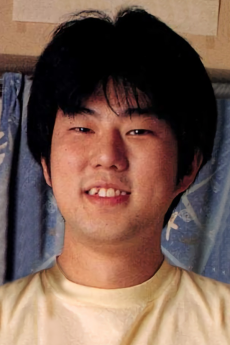 Eiichirou Oda
Original Creator
Eiichirou Oda
Original Creator
 Tomohiro Nakayama
Script
Tomohiro Nakayama
Script